
News About our Activities | Visit Crawford County, PA

News

The Day the World Changed: How Titusville Launched the Modern Oil Industry

250 Years. 12 Stories. One County.

On August 27, 1859, in a quiet patch of land along Oil Creek near Titusville, history changed forever.

What began as an experiment ended as the birth of the modern petroleum industry. And it happened right here in Crawford County.

69.5 Feet That Transformed the World

In the summer of 1859, Edwin Drake and his driller, William “Uncle Billy” Smith, struck oil at a depth of just 69.5 feet.

Oil had been known to seep naturally from the ground for centuries. But no one had successfully drilled for it in a controlled, commercial way.

Drake solved the problem by driving an iron pipe into the ground to stabilize the borehole — a technique known as the “drive pipe.” That simple but revolutionary innovation became the foundation of modern oil and gas drilling worldwide.

In that moment, a rural Pennsylvania community became the epicenter of a global energy revolution.

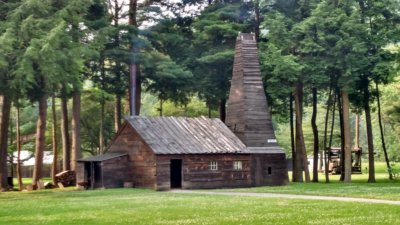
Historic Oil Well

From Farm Town to Boomtown

The impact was immediate.

Within months, Titusville transformed from a quiet lumber and agricultural settlement into a booming oil town. Entrepreneurs, investors, laborers, and speculators flooded the region. Derricks rose across the landscape. Railroads expanded. Fortunes were made—and lost.

The ripple effects stretched far beyond Crawford County.

The oil strike in Titusville:

  • Fueled the rise of Standard Oil
  • Powered the Industrial Revolution
  • Shifted global geopolitics
  • Transformed transportation, manufacturing, and daily life

Modern economies, automobiles, plastics, aviation, and even pharmaceuticals trace their lineage back to that single well.

Few places in the world can claim a moment that fundamentally reshaped how humanity powers itself. Crawford County can.

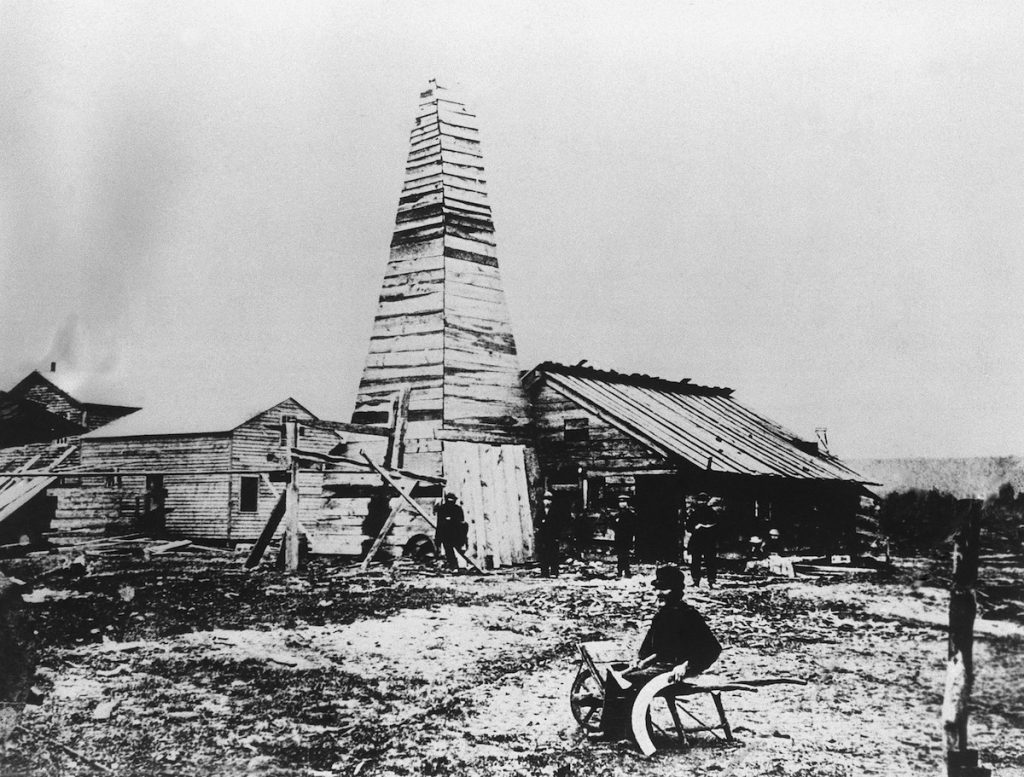
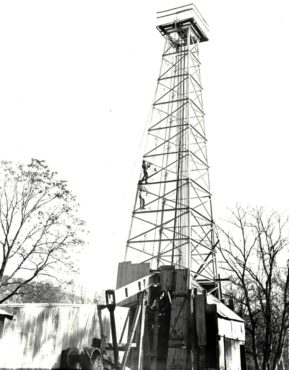
Constructing the standard Steel Drilling Rig
Photo Credit: Drake Well Museum & Park

More Than Industry — A Global Legacy

The oil boom also produced influential voices and movements.

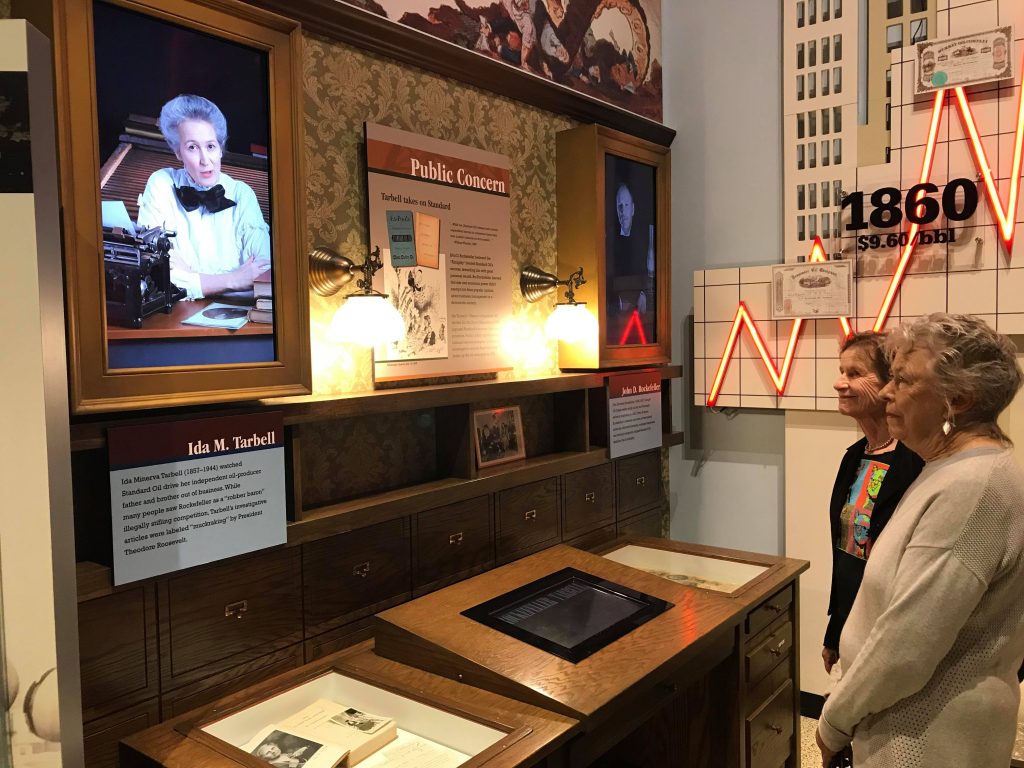
Titusville became home to journalist Ida Tarbell, whose groundbreaking investigation of Standard Oil in the early 1900s led to the breakup of one of the largest monopolies in American history. Her work helped define modern investigative journalism and antitrust law.

The oil era did not simply create wealth. It sparked debates about power, fairness, industry, and regulation that still shape America today.

Crawford County was not just where oil was discovered. It became a proving ground for the modern economic system.

Ida Tarbell House
Ida Tarbell House

Experience the Birthplace of Big Oil Today

Visitors can explore this pivotal chapter of history at:

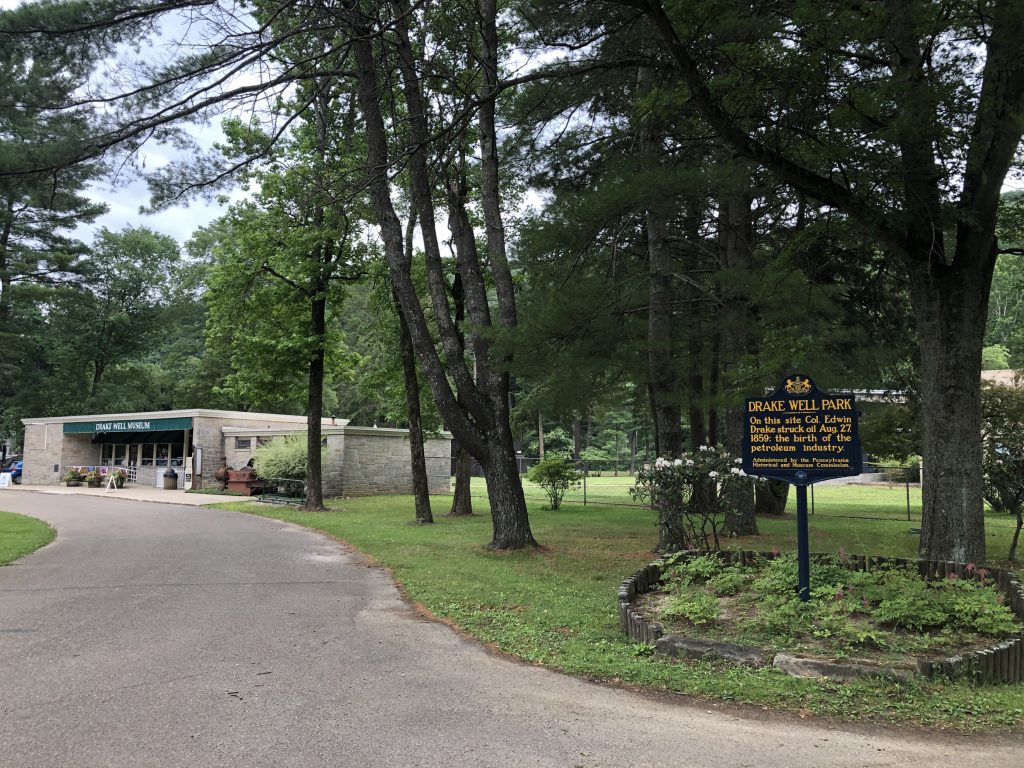
• Drake Well Museum and Park — where a replica of the original well stands near the site of the 1859 strike
• Oil Creek landscapes that once bristled with derricks
• Historic Titusville, where boomtown energy reshaped a community

Standing at the site of the Drake Well is not simply a history lesson. It is standing at the birthplace of the modern energy age.

Why This Story Matters for America 250

As the nation approaches its 250th anniversary, Crawford County’s role in American history cannot be overlooked.

The American story is one of invention, risk, resilience, and transformation. The Drake Well embodies all of it.

In 1859, this region did not just grow alongside America — it helped power it.

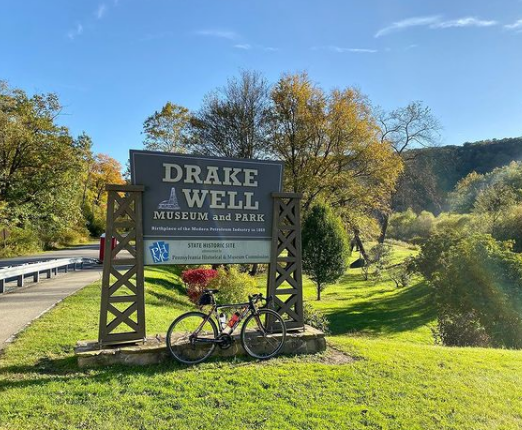
Drake Well Park and Museum 2_ @surfergirl1963, Jennifer Sopko
Photo Credit: Jennifer Sopko

Experience the Birthplace of Big Oil Today

The story of 1859 isn’t locked behind glass. It’s woven into the landscape, the rails, and the streets of Titusville and Crawford County. Visitors today can step directly into the world the oil boom created.

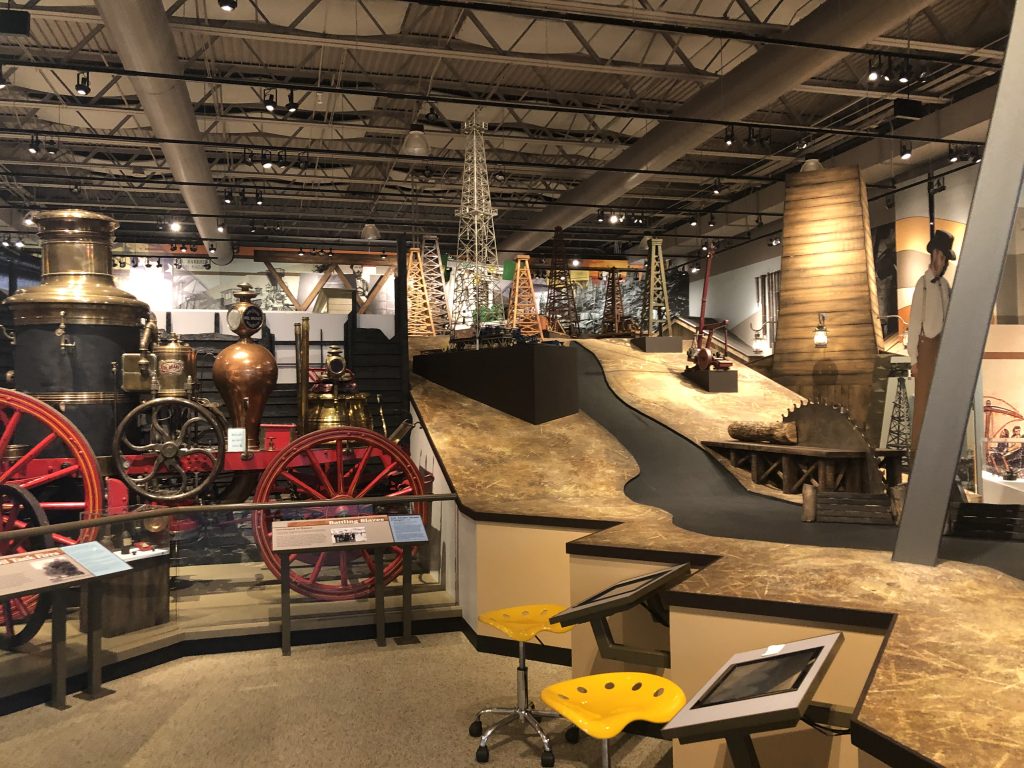
Drake Well Museum and Park — Stand at the very site where Edwin Drake changed history. A working replica of the original derrick and engine house rises near the spot of the 1859 strike, and the museum houses one of the most comprehensive collections of early oil-era artifacts in the world, from horse-drawn drilling rigs to the tools that built an industry.

Oil Creek State Park — Walk, bike, or paddle through the very valley that once bristled with hundreds of wooden derricks. The 9.7-mile paved Oil Creek Bike Trail follows the creek through what historians call the “Valley That Changed the World,” with interpretive markers showing where vanished boomtowns once stood.

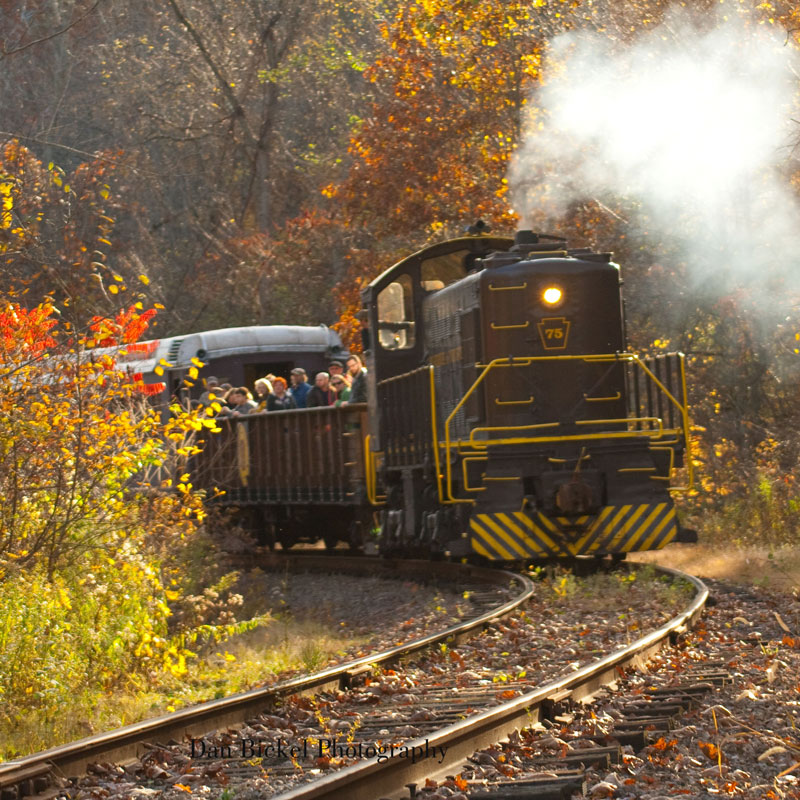
Oil Creek & Titusville Railroad — Climb aboard a vintage train pulled by a 1940s locomotive and ride the same rails that once carried barrels of crude to market. The route winds through the heart of the historic oil region between Titusville and Rynd Farm.

Pithole City Historic Site — Just a short drive from Titusville lies the ghost of a town that grew from forest to 15,000 residents in months, then nearly vanished. A visitor center tells the wild, fleeting story of America’s fastest boom-and-bust town.

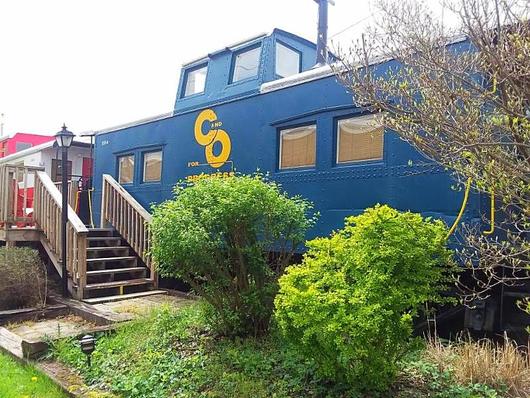
The Caboose Motel — Spend the night in a piece of railroad history. Each room is a fully renovated train caboose — a one-of-a-kind stay that connects you to the era when rails and oil built the modern world together.

Historic Downtown Titusville — Wander past boomtown-era architecture, Victorian storefronts, and the buildings that housed the bankers, barons, and bootstrappers of the original oil rush. Local shops, restaurants, and the annual Titusville Oil Festival keep the heritage alive.

The Ida Tarbell House — Visit the Titusville home of the pioneering journalist whose investigation of Standard Oil reshaped American business and law. A National Historic Landmark, the house stands as a tribute to one of the most influential women in American journalism — and a reminder that Crawford County didn’t just birth the oil industry, it produced the voice that held it accountable.

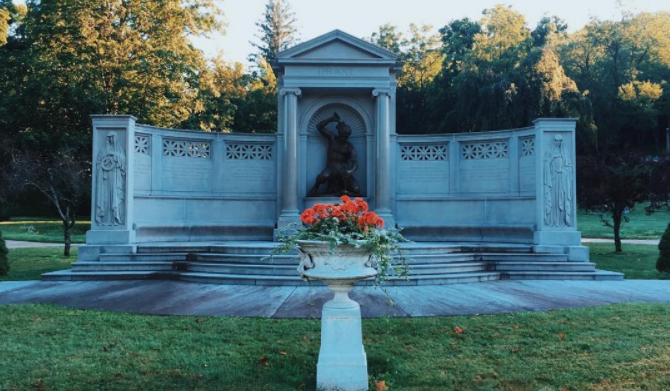
Colonel Drake’s Memorial at Woodlawn Cemetery — A grand memorial honors the man who started it all, in the town that owes him its place in history.

Continue the Journey Through 250 Years

In 1859, Crawford County lit a spark that fueled the modern world. But long before oil flowed from the ground here, another current was already running through these hills — one of courage, conviction, and quiet defiance. Just a generation earlier, the same Pennsylvania landscape that would soon power an industrial revolution was helping power a moral one. Before Crawford County made history with a drill, it was making history with conscience.

Next in our series: Crawford County’s courageous role in the Underground Railroad and the abolitionist movement that shaped the moral conscience of the nation.

Explore more America 250 stories and plan your visit to Crawford County today.

Before Silicon Valley: The Crawford County Innovations That Influenced America

250 Years. 12 Stories. One County.

Long before the rise of Silicon Valley or modern political reform movements, Crawford County was quietly experimenting with ideas and technologies that would ripple across the nation.

From reshaping how Americans vote to illuminating city streets and cultivating reform-minded leadership, this rural Pennsylvania county repeatedly stepped forward as a civic and intellectual laboratory.

Innovation here was not limited to factories. It shaped democracy, journalism, infrastructure, and thought itself.

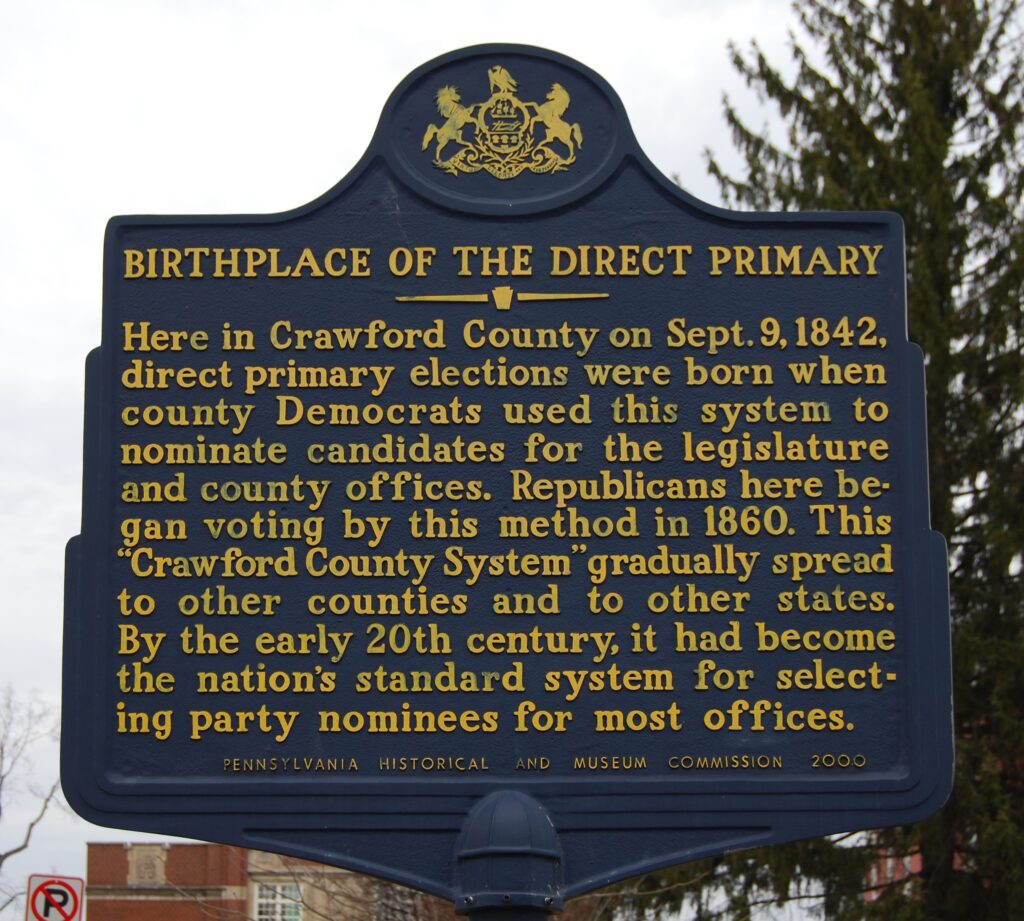
The Birth of the Primary Election

In 1842, local political leaders in Crawford County grew frustrated with party elites selecting candidates behind closed doors. Instead of relying on internal nominations controlled by a few insiders, they introduced a radical concept for the time: let party members vote directly for their nominees.

This became known as the “Crawford County System.”

It was the first documented use of a primary election in the United States. Over time, the model spread across Pennsylvania and eventually the nation, becoming the foundation of how Americans select candidates today.

A democratic reform born in a rural county reshaped the mechanics of American politics.

Birthplace of the Direct Primary Sign
Here in Crawford County on Sept. 9, 1842, direct primary elections were born when county Democrats used this system to nominate candidates for the legislature and county offices. Republicans here began voting by this method in 1860. This "Crawford County System" gradually spread to other counties and to other states. By the early 20th century, it had become the nation's standard system for selecting party nominees for most offices.
Birthplace of the Direct Primary Marker

Lighting the Night

In 1888, Meadville became the second city in the world—after New York City—to illuminate its streets using electric arc lights.

At a time when most communities relied on gas lamps or lanterns, Meadville embraced emerging electrical technology. The installation signaled that this was not merely a frontier town or industrial outpost—it was forward-thinking and eager to adopt innovation.

The glow of those arc lights symbolized progress in western Pennsylvania.

Frontier Journalism

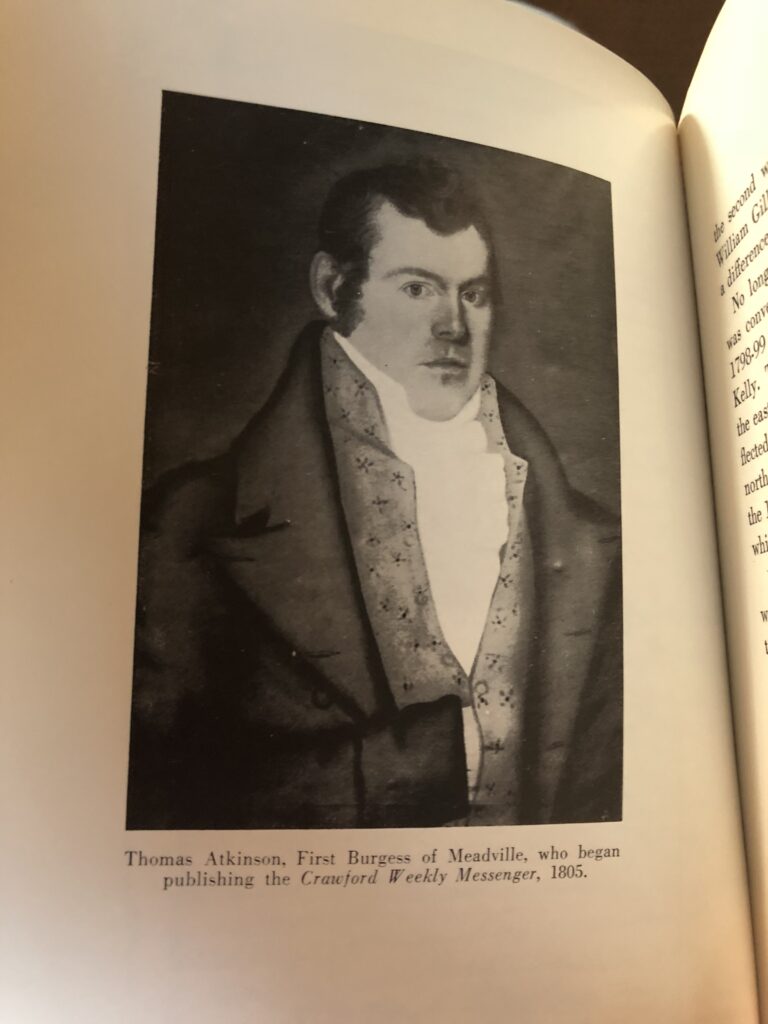
In 1805, the Crawford Weekly Messenger began publication, becoming the first newspaper printed west of the Allegheny Mountains.

On a developing frontier, access to information meant participation in national life. The paper connected residents to debates, policies, and economic changes shaping the young republic.

Crawford County was not isolated. It was engaged.

Thomas Atkinson, First Burgess of Meadville, who began publishing the Crawford Weekly Messenger, 1805

A Frontier of Ideas

Innovation in Crawford County was not limited to systems and technology. It extended to thought and reform.

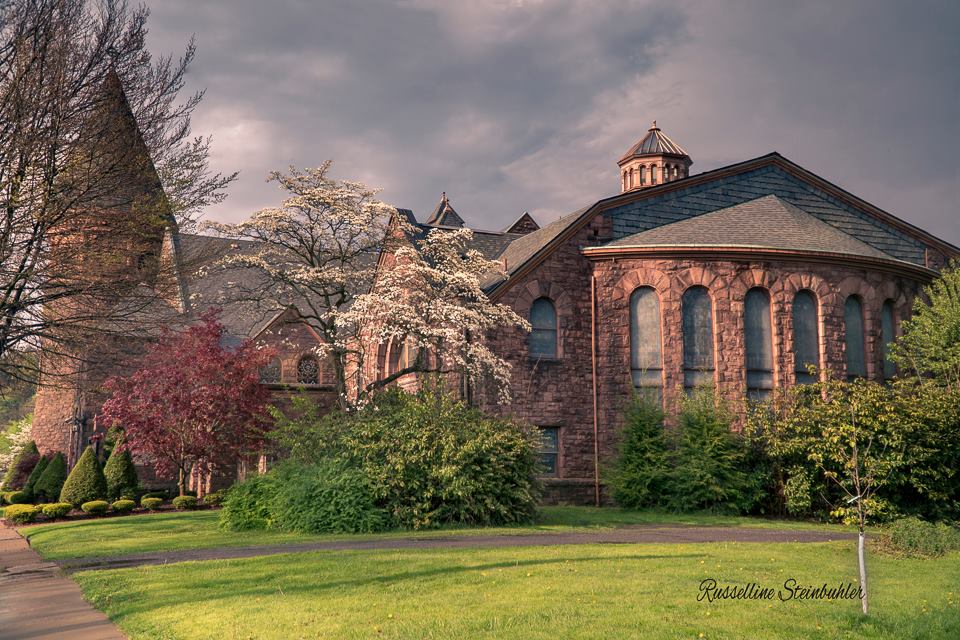
In 1844, the Meadville Theological School was founded in Meadville. The institution became a center for Unitarian scholarship and progressive religious education during a period of westward expansion and national debate over morality, democracy, and social reform.

Ministers trained there carried ideas of intellectual freedom, civic responsibility, and the separation of church and state across the developing nation.

The same community experimenting with democratic elections was also cultivating reform-minded leadership.

Crawford County was helping shape not only how Americans voted—but how they thought.

Meadville Theological School

The 3D Revolution Before Television

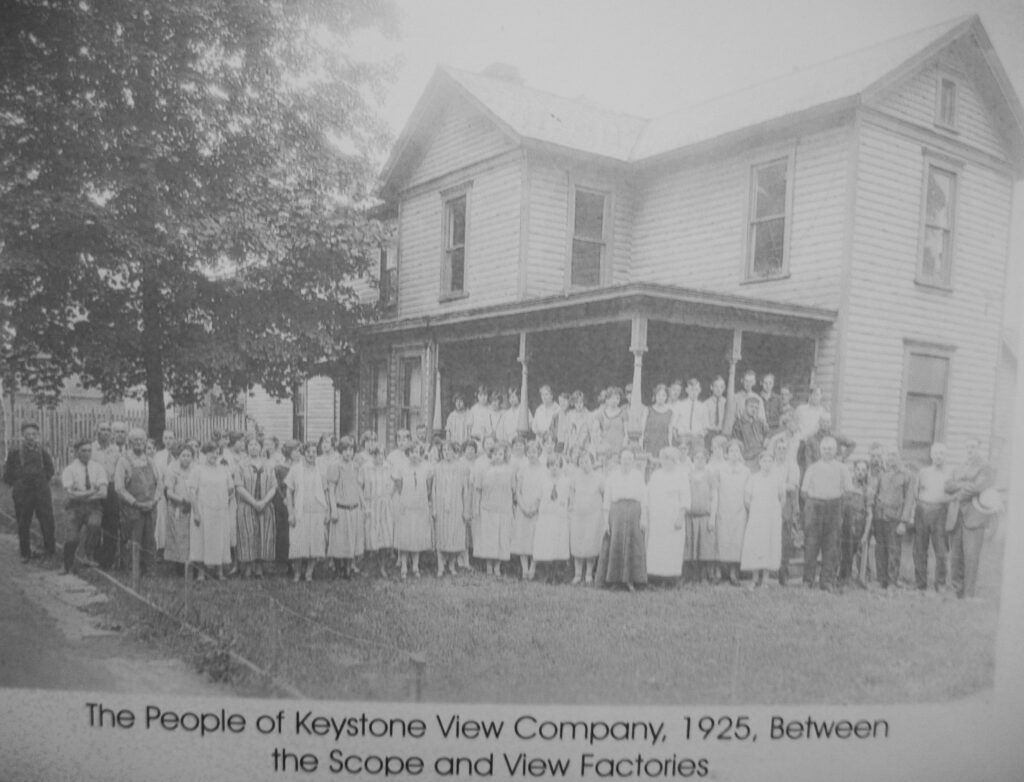
In the late 1800s, Meadville became home to the Keystone View Company, the world’s largest producer of stereographs—double-image cards that appeared three-dimensional when viewed through a special viewer.

Long before film or television entered American homes, stereographs brought distant places, historical events, and global scenes into living rooms across the country.

It was the 19th-century version of immersive media—and it was headquartered in Crawford County.

Keystone View Company Employees

A Pattern of Civic Experimentation

What connects these achievements?

Each reflects a community willing to test new systems, adopt new technologies, and engage with national debates.

Political reform.
Electrical innovation.
Frontier journalism.
Religious and intellectual leadership.
Early immersive media.

Crawford County did not wait for ideas to arrive from elsewhere. It generated them.

Why This Matters for America 250

As the nation approaches its 250th anniversary, it is easy to focus on military battles or industrial breakthroughs. But the American story is also one of civic experimentation and intellectual courage.

Crawford County helped shape how Americans participate in democracy, consume information, embrace technology, and debate ideas.

In its own quiet way, this region influenced the framework of modern American life.

Experience This Legacy Today

Visitors can:

• Walk historic downtown Meadville
• Visit Allegheny College
• Explore local archives and historical societies
• Discover the institutions that carried forward a tradition of civic engagement

The spirit of innovation remains embedded in the community’s character.

Why Meadville Looks Up Every June

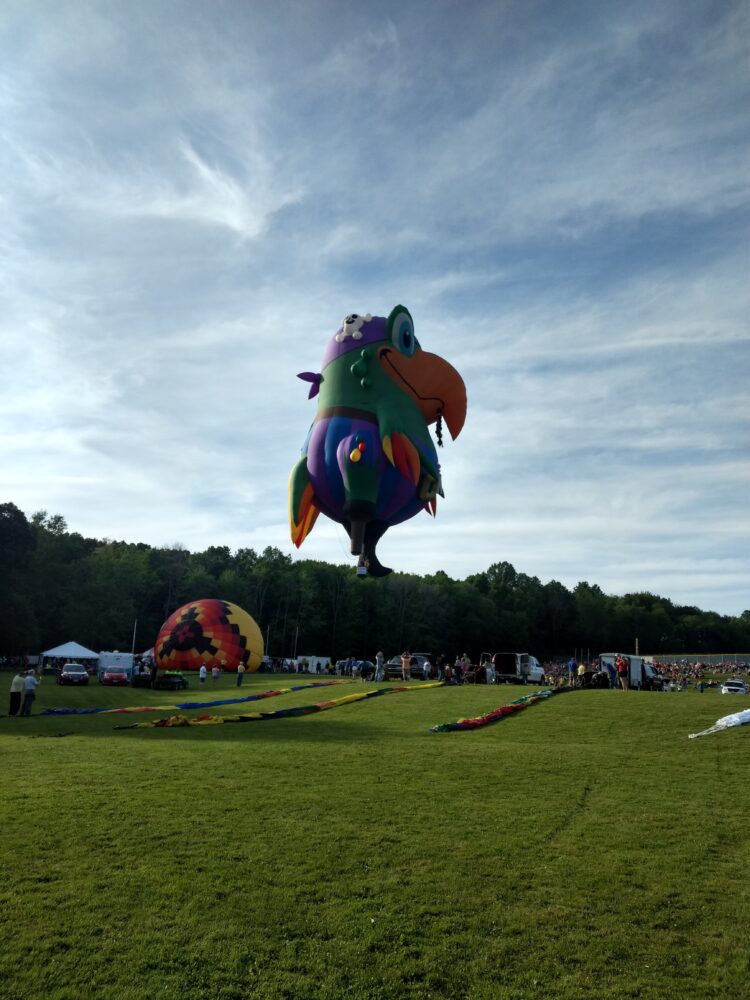
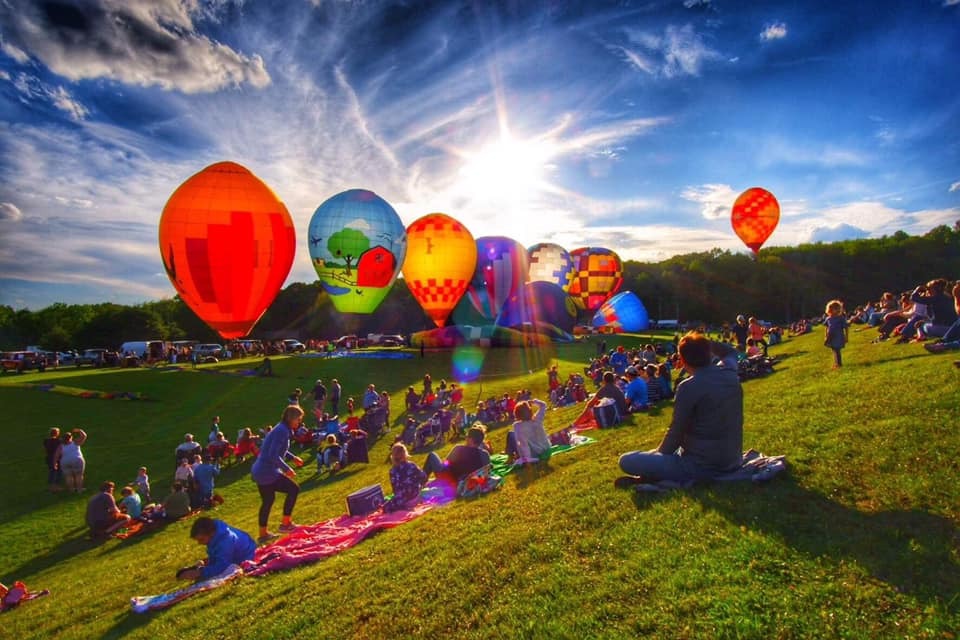
Every June, Meadville’s sky fills with color as hot air balloons rise over Crawford County for the Thurston Classic. For visitors, it is one of the most beautiful weekends of the summer. For Meadville, it is something more: a celebration of a ballooning legacy that began downtown more than 165 years ago.

Little Girl looking at the Hot Air Balloons
Photo Credit: Amanda Barrick

The event is named for Samuel “Vet” Thurston and his son, Alexander “Alic” Thurston, two Meadville aeronauts whose daring flights made local history long before balloon festivals became a summer tradition.

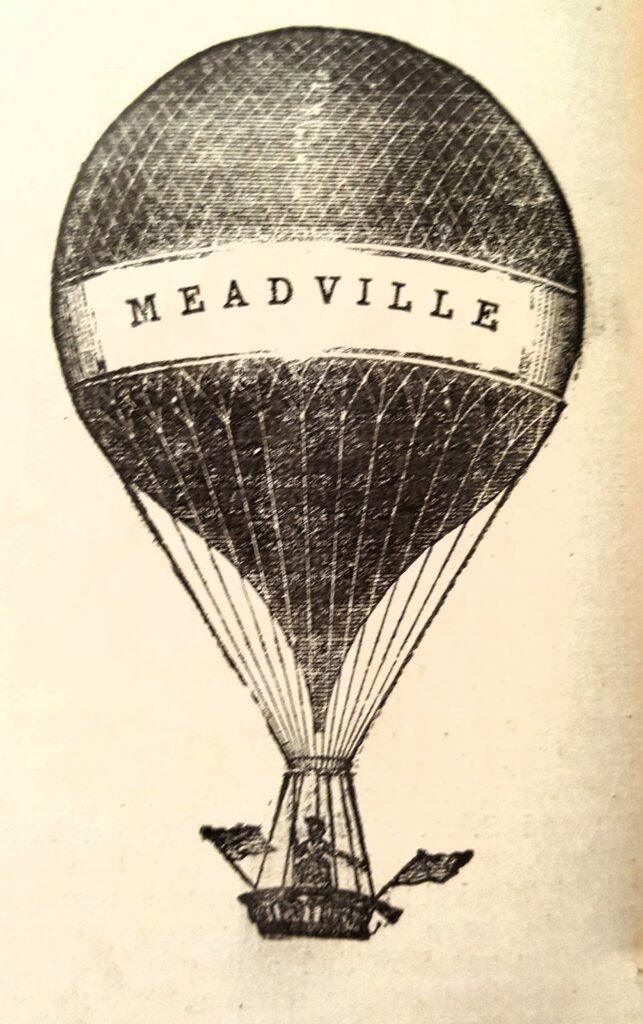
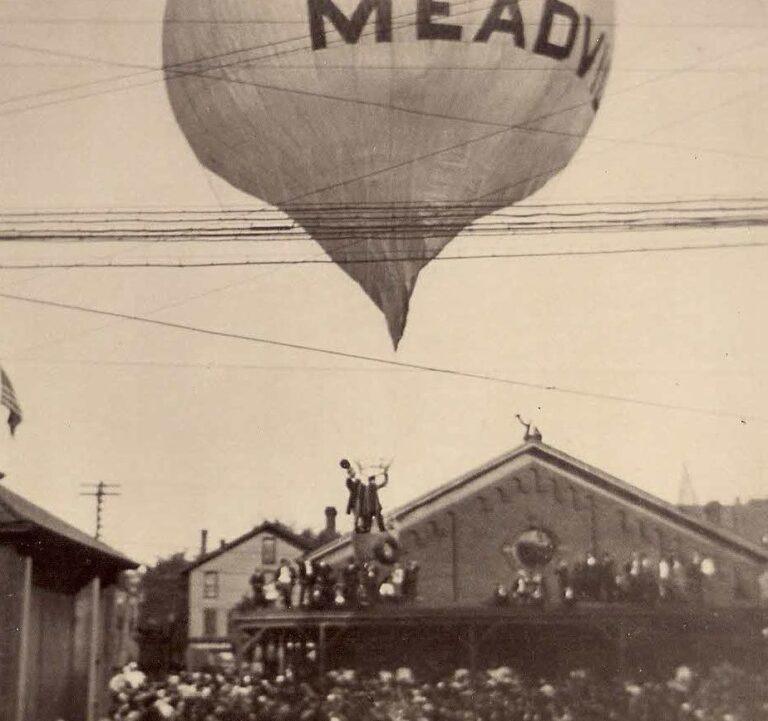
Samuel’s first public flight lifted off from the Diamond on July 4, 1860, after he learned to fly from a visiting balloonist staying at the Crawford House. He later built his own balloon, named it Meadville, and spent 25 years flying, racing, and performing across the region.

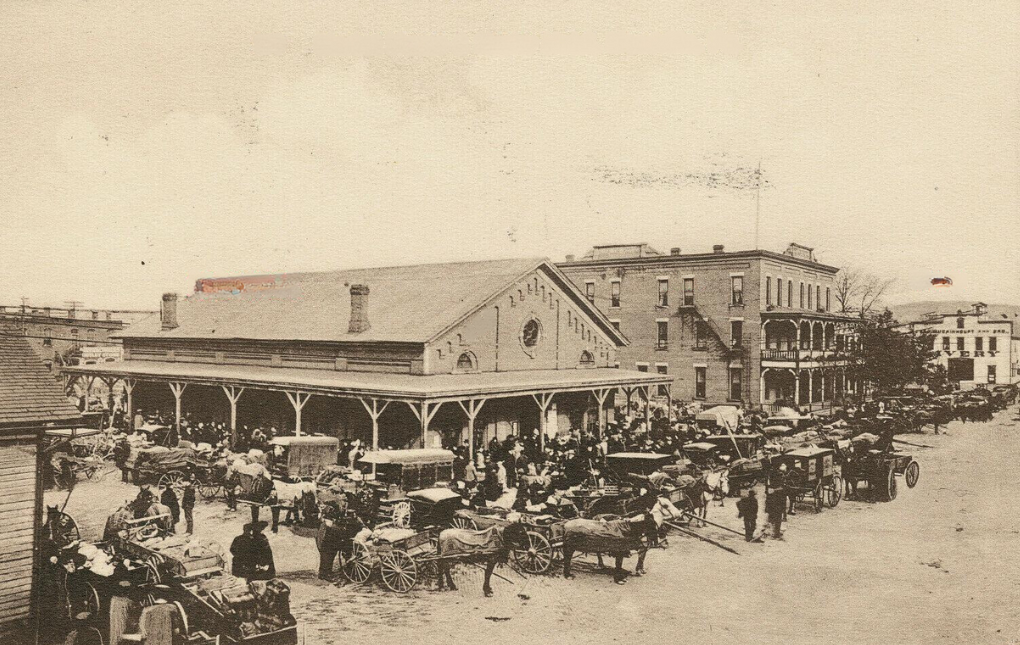
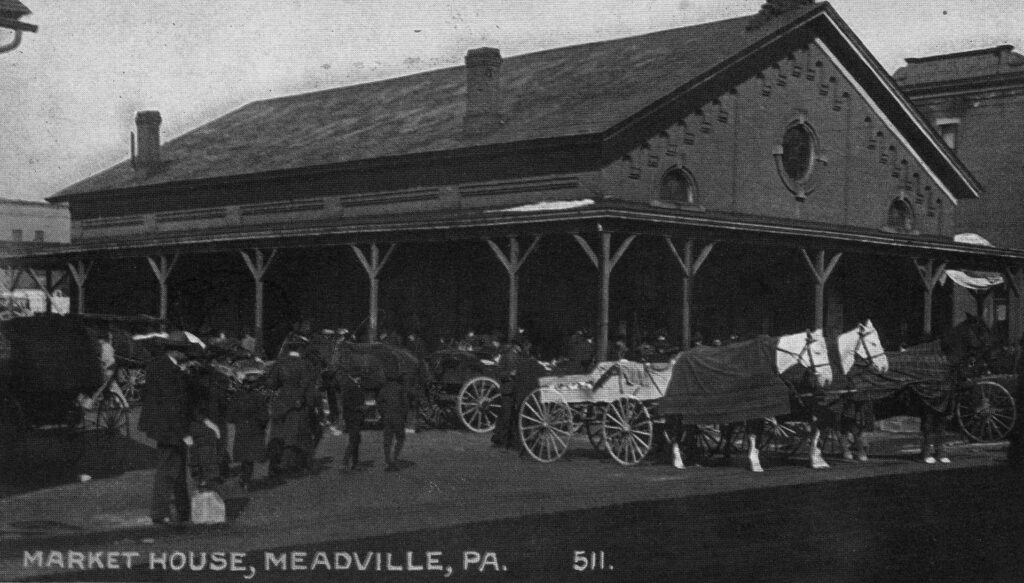
A generation later, Alic Thurston carried the family legacy even higher. He launched from the Diamond, built balloons in his barn, and in 1908 sent a 65-foot balloon skyward from the roof of the Meadville Market House. His flights reached more than 19,000 feet above the region and helped make the Thurston name part of Meadville’s identity.

That is why the Thurston Classic feels so rooted here. The Thurstons launched from Meadville landmarks, named their balloons after the town, and left a story that still lives in local streets, cemeteries, and community memory.

The modern Thurston Classic began in 1988 during Meadville’s Bicentennial celebration. Today, it continues as a free, community-run tradition featuring balloon launches, sanctioned races, food vendors, souvenirs, and the unforgettable Joyce Stevens’ Night Glow.

The 2026 Thurston Classic runs June 18–21 (Father’s Day Weekend) at the Allegheny College Robertson Athletic Complex, 204 Park Avenue in Meadville. Admission is free.

Thursday evening features the Joyce Stevens’ Night Glow, when tethered balloons are lit from within after sunset. Friday includes the Ted Watts’ Tribute Sponsors Flight. Saturday brings two sanctioned balloon races, and Sunday closes the weekend with the final race.

The event does not offer balloon rides, free or paid. It is a spectator event, so bring blankets or lawn chairs. Parking is limited, and all launches are weather-dependent, so check thurstonclassic.com before you go. And if you want the full story behind the name, the Crawford County Historical Society has a wonderful piece on the Thurstons that’s worth a read before you come.

To make a weekend of it, stop by the Meadville Market House to see where Alic launched his 1908 balloon, pay a visit to Greendale Cemetery where Samuel and Alic are buried, or tour the Baldwin-Reynolds House Museum for more local history. If you have extra time, Pymatuning State Park and Conneaut Lake are a short drive away. Start planning your visit at visit visitcrawford.org or download the Visit Crawford app.

Whether you come for the Night Glow, the morning launches, the history, or the photos, the Thurston Classic is one of Meadville’s signature summer experiences.

Bring a blanket, find a good spot, and look up.

Want to explore more? Check out these videos on our YouTube Channel.

A Look at the Thurston Classic

Setting Up the Balloon

Community Members Interviews about Thurston Classic

Historical Photo Credits: Crawford County Historical Society

Discover Titusville, PA: Small-Town Charm with a Story to Tell

Some places surprise you. Titusville, PA is one of them.
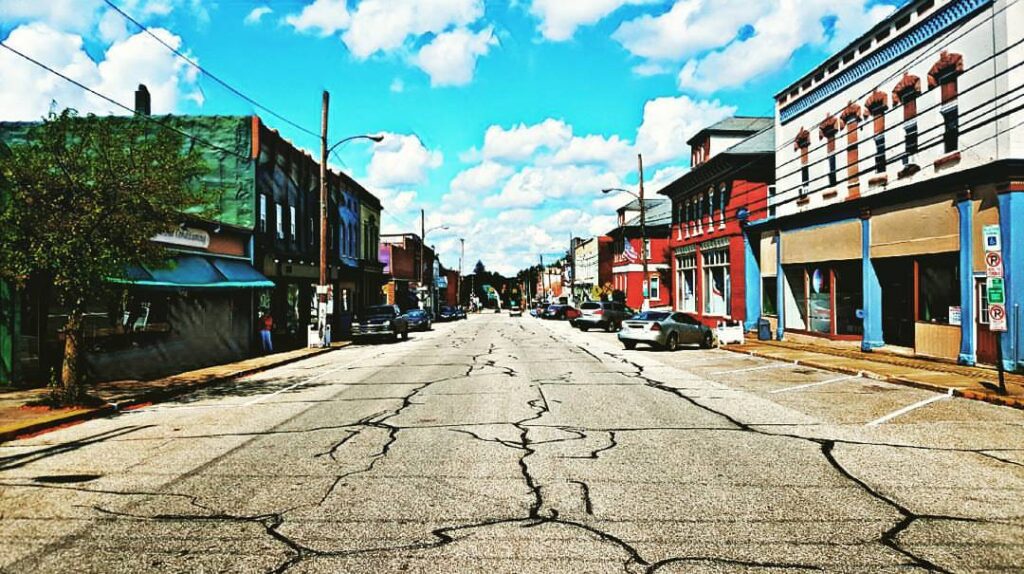
Sign - "Welcome to Titusville"

Tucked into the hills of Crawford County between Erie and Pittsburgh, Titusville is the kind of small Pennsylvania city that earns genuine fans — not because it’s been polished and packaged for tourists, but because it hasn’t been. What you’ll find here is real: world-changing history, beautiful trails, a scenic train ride through a stunning valley, good food, and the kind of friendly, unhurried atmosphere that makes you slow down and actually enjoy yourself.
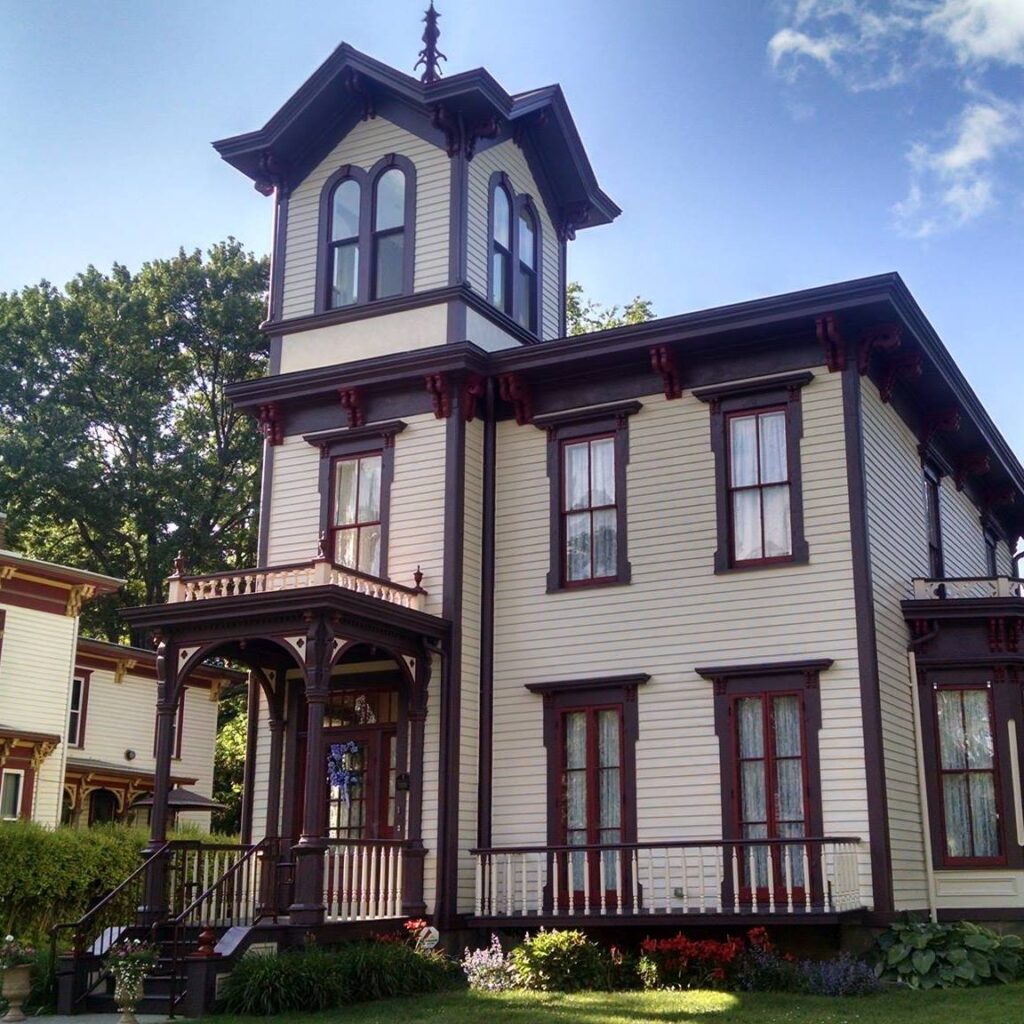
If you’ve been searching for a weekend getaway in Pennsylvania that’s affordable, meaningful, and a little off the beaten path — Titusville deserves a serious look.

Start with the Story: Drake Well Museum and Park

You can’t fully appreciate Titusville without understanding why it matters, and Drake Well Museum and Park is where that story comes to life. In 1859, Edwin Drake drilled the world’s first commercial oil well right here — setting off a global energy revolution that reshaped modern civilization. Not just Pennsylvania. The world.

The 240-acre site blends outdoor park space with a genuinely engaging museum experience. A full-scale replica of Drake’s original derrick stands directly above the historic well, and the exhibits inside are hands-on enough to hold anyone’s attention, not just history buffs. Plan for a couple of hours. You’ll want them.

While you’re in the area, don’t skip the Ida Tarbell House. Tarbell grew up in Titusville and went on to become one of America’s most important investigative journalists, famously dismantling John D. Rockefeller’s Standard Oil monopoly with her groundbreaking reporting. Her beautifully restored 1870 home is available for tours by appointment and hosts public events throughout the year. It’s a powerful reminder that great things — and great people — come from small towns.

Ride the Oil Creek & Titusville Railroad

Ask anyone who’s visited Titusville what they remember most and there’s a good chance they’ll say the train. The Oil Creek & Titusville Railroad is one of the most distinctive things to do in Titusville, PA — and honestly, one of the most memorable experiences in all of Crawford County.

Departing from a gorgeous 1892 freight station right in downtown, the three-hour round trip winds through the Oil Creek Valley and into Oil Creek State Park, past wooded hillsides, quiet creek views, and the remnants of former oil boomtowns. It’s slow in the best possible way. The staff share stories, wildlife pops up along the banks, and the whole journey has a timeless quality you just don’t find at most tourist attractions.

Regular season runs June through fall, with an 11 AM departure — so plan your morning around it. It’s worth building your whole Saturday schedule from that anchor.

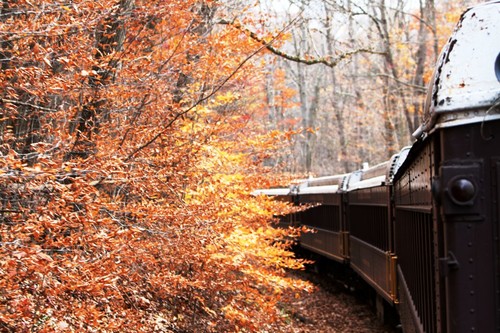
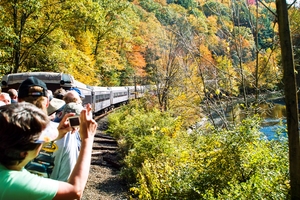
OC&T Fall Foliage Train Ride - Oil Creek State Park and Titusville

Get Outside: Oil Creek State Park

Titusville is surrounded by some of the most underrated outdoor scenery in Pennsylvania, and Oil Creek State Park is the heart of it. Miles of hiking and biking trails wind through the same valley the train rolls through — the Gerard Trail overlooks are particularly stunning, and the paved creek side path is a great option for families or anyone who wants a more relaxed outing.

What sets this park apart from a typical outdoor destination is that the landscape and the history are completely intertwined. Interpretive sites along the trails tell the story of the boomtown communities that once stood here, so you’re not just hiking — you’re walking through history. It gives the whole experience a stronger sense of place.

Gerard Hiking Trail

Explore Downtown Titusville

Downtown Titusville is the kind of place that invites you to slow down and stay awhile. It is walkable, full of character, and refreshingly unpolished in the best way. Historic buildings, local storefronts, and an easy small-town rhythm make it feel less like a stop on the itinerary and more like a place you actually want to spend time.

That same feeling carries into the food scene. Titusville is not about flashy dining or overdone trends. It is about places with personality, local pride, and the kind of atmosphere that makes a meal feel like part of the trip rather than just a necessity. The Titusville Mill is a perfect example. Housed inside a beautifully restored historic feed mill, it pairs warm, rustic charm with a menu that makes dinner feel like an occasion. For something a little more casual and playful, Missy’s Arcade brings a fun, relaxed energy that works especially well for families or anyone who wants to keep the night lighthearted. And if a laid-back drink sounds like the right way to wrap up the evening, Orr’s Brewing offers a welcoming local stop where it is easy to settle in and enjoy the moment.

Titusville also makes it easy to stretch the evening a little longer. Browse the downtown shops, pick up a walking tour brochure from the Titusville Chamber of Commerce, or add a little friendly competition to the trip at Unlock the Adventure or Rink Family Fun Center. It is the kind of downtown that makes you want to linger, and that is part of what makes a weekend here so appealing.

Where to Stay in Titusville, PA

The right overnight stay can make a good weekend trip into a great one — and Titusville delivers on that front.

The Caboose Motel is one of the most talked-about places to stay in all of Crawford County. Twenty-one retired Pennsylvania Railroad cabooses, converted into individual guest rooms and sitting on stationary tracks just a block from downtown. Each one has its own private bath, TV, heat and air, and a set of deck chairs outside for stargazing after a long day. It’s quirky, comfortable, and completely unlike anywhere else you’ve ever slept. Book early — it fills up.

For a quieter, more classic bed and breakfast experience, Josephine’s Bed & Breakfast offers genuine hospitality and the kind of personal warmth that makes a place feel like home from the moment you arrive.

Why Titusville Feels Different

Titusville is the kind of place that quietly wins you over. You may come for the history or the scenery, but what stays with you is how naturally it all fits together — the train ride through the valley, the small-town downtown, the local places to eat, and the sense that you have discovered something real. For a weekend getaway that feels easy, memorable, and genuinely worth the drive, Titusville makes a strong case for a return trip.

Titusville is not just worth the visit — it is worth the weekend.

A weekend in Titusville feels less like checking off attractions and more like discovering a place you will want to revisit.

Come for one reason, leave with a dozen more to come back.

Ready to plan your Titusville getaway? Download the Visit Crawford mobile app or view the 2026 Visitor’s Guide to explore everything Crawford County has to offer.

Freedom’s Crossroads: Crawford County & the Underground Railroad

250 Years. 12 Stories. One County.

Long before the oil boom brought global attention to this region, Crawford County stood at the crossroads of another defining chapter in American history—the fight for freedom.

In the decades leading up to the Civil War, this rural corner of northwestern Pennsylvania became a critical link in the Underground Railroad. Here, farms, homes, and businesses quietly served as places of refuge for those escaping slavery in search of liberty.

This was not industrial history. It was moral history.

A Strategic Path to Freedom

Pennsylvania was a free state, and its northern counties—especially those connected by waterways and frontier roads—became vital corridors for freedom seekers traveling from the South toward Canada.

Crawford County’s location made it especially significant. With access to major travel routes and proximity to Lake Erie, it became part of the final stretch of the journey north.

Local residents risked reputation, livelihood, and personal safety to provide shelter, supplies, and guidance. The work was secretive, dangerous, and deeply principled.

John Brown Tannery 1885

John Brown’s Years in Crawford County

Between 1825 and 1835, abolitionist John Brown lived in Richmond Township, operating a tannery.

Years before his raid on Harpers Ferry made national headlines, Brown’s time in Crawford County helped shape his convictions. The tannery property is widely believed to have served as a station on the Underground Railroad.

While exact numbers are difficult to document, Brown is credited with assisting thousands of enslaved people during his lifetime. His years in Crawford County were formative—both for him and for the growing abolitionist network in the region.

John Brown Tannery Site

Richard Henderson & Local Leadership

One of the most powerful stories tied to Crawford County’s Underground Railroad history is that of Richard Henderson, a formerly enslaved man who settled in the region and became a conductor on the Underground Railroad.

Henderson is credited with helping more than 500 people escape to freedom. His leadership reflects a critical truth about the Underground Railroad: it was not solely driven by well-known figures, but by courageous local residents—many of them formerly enslaved themselves—who risked everything to help others.

Crawford County was not a passive observer in the fight against slavery. It was an active participant.

Richard Henderson Historical Marker
Photo Credit: Meadville Tribune

A Moral Legacy

The Underground Railroad was not a formal railroad. It was a network of trust, courage, and conviction. Its success depended on ordinary people making extraordinary choices.

In Crawford County, that legacy of conviction runs deep.

As the nation reflects on 250 years of history, the story of freedom in this region reminds us that America’s progress has often depended on local communities willing to stand for something larger than themselves.

This chapter of Crawford County’s history is not measured in barrels of oil or industrial output. It is measured in lives changed—and futures reclaimed.

Experience This History Today

Visitors can explore this powerful legacy by:

• Learning about John Brown’s years in Richmond Township
• Discovering local historical markers and archives
• Visiting museums and educational institutions that preserve the region’s abolitionist history
• Exploring the communities that once formed part of this freedom corridor

The landscapes may appear peaceful today, but they once carried stories of urgency, secrecy, and hope.

French Creek: A Living Time Capsule in Crawford County

250 Years. 12 Stories. One County.

Long before oil derricks rose in Titusville and factories hummed in Meadville, there was French Creek.

Flowing quietly through Crawford County, this waterway has shaped settlement, commerce, conservation, and recreation for centuries. It is not simply a scenic backdrop — it is one of the most ecologically significant rivers in Pennsylvania.

And it may be one of the county’s greatest long-term contributions to the American story.

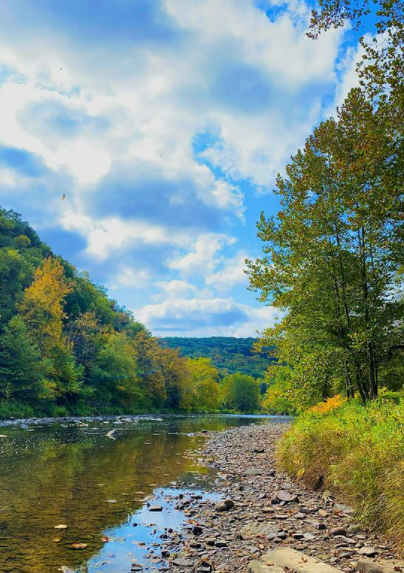
French Creek

A Corridor of History

French Creek served as a vital travel and trade route long before Crawford County was formed in 1800. It connected inland Pennsylvania to Lake Erie and the broader Allegheny River system, making it strategically important in the 18th century frontier.

In 1753, George Washington traveled through the French Creek corridor on a diplomatic mission that helped ignite the French and Indian War. That journey is now commemorated by Washington’s Trail 1753, linking Crawford County directly to the earliest chapters of American conflict and independence.

But French Creek’s importance didn’t end with war or settlement.

French Creek During Winter
Photo Credit: Casey Bradshaw

A Global Ecological Treasure

Today, French Creek is recognized as one of the most biodiverse waterways in the northeastern United States. It contains rare freshwater mussel species such as the Snuffbox and Rayed Bean — species that have remained largely unchanged for thousands of years.

In a nation where industrialization often damaged river systems, French Creek remains remarkably intact.

It stands as proof that agriculture, industry, and conservation can coexist — something that aligns deeply with Crawford County’s agricultural and manufacturing heritage.

Fall at French Creek
Photo Credit: Brenda Costa

Recreation, Reflection & Renewal

In the 20th and 21st centuries, French Creek evolved into a recreational asset:

• Kayaking and canoeing
• Fishing
• Wildlife observation
• Trail systems like the Ernst Trail
• Nature photography and birding

For today’s visitor, French Creek offers something increasingly rare: quiet, unspoiled access to water.

It supports the same spirit that shaped Crawford County 250 years ago — exploration, movement, and connection to the land.

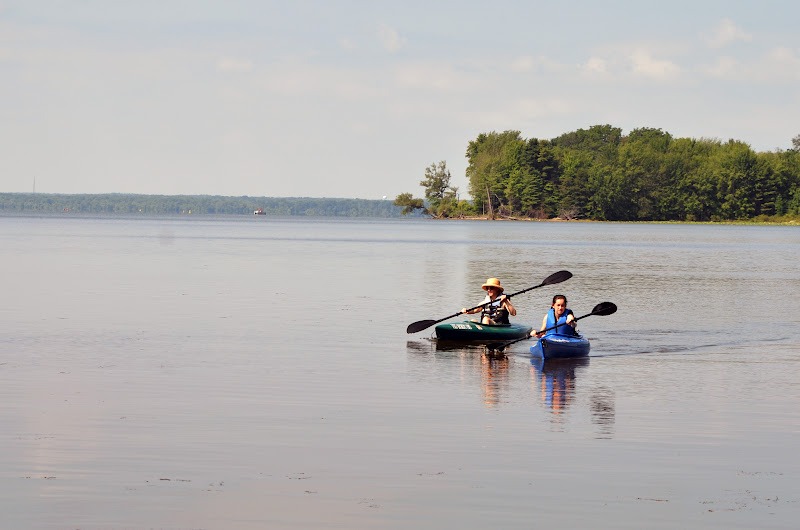
Kayaking along French Creek

Why This Story Matters for America 250

As America approaches its 250th anniversary, French Creek reminds us that progress is not only measured in invention or industry.

It is also measured in preservation.

Crawford County did not just help power the modern world — it helped protect one of its most important natural systems.

In a story defined by transformation, French Creek represents continuity.

Experience French Creek Today

Visitors can:

• Paddle along quiet stretches of the creek
• Fish in waters known for biodiversity
• Bike or walk along the Ernst Trail
• Follow portions of Washington’s Trail
• Explore conservation efforts that protect the watershed

The river that shaped Crawford County still flows through it.

Relax, Recharge, and Restore: Wellness Experiences in Crawford County

Sometimes the most luxurious travel experience isn’t about five-star hotels or packed itineraries. It’s about finding a place where you can slow down, breathe deeply, and reconnect with yourself.

Girl with Arms up in a field of Sunflowers on a sunny day.

In Crawford County, Pennsylvania, wellness comes naturally. From peaceful forest trails and quiet waterways to locally owned spas and historic bed-and-breakfasts, the region offers a refreshing escape from everyday stress.

Whether you’re planning a girls’ getaway, romantic retreat, or solo wellness weekend, Crawford County delivers the perfect blend of relaxation, nature, and authentic small-town charm.

Where to Stay: Quiet Luxury in Crawford County

A relaxing weekend begins with a place that feels calm, welcoming, and restorative.

Travelers exploring the eastern side of Crawford County may enjoy staying in Titusville, where lodging options provide easy access to peaceful nature areas and historic landmarks. Unique accommodations like the Caboose Motel, where guests stay in restored train cabooses, offer a memorable and relaxing overnight experience close to Oil Creek Valley and local walking trails.

If waking up beside the water sounds like your version of luxury, Chalets by the Lake in Conneaut Lake provide tranquil mornings and beautiful sunset views over the water.

In Meadville, Highland Guest House offers historic charm in a beautifully restored Victorian home overlooking the city. The guest house provides a quiet atmosphere, comfortable rooms, and welcoming hospitality while remaining just minutes from downtown Meadville’s restaurants, cafés, and shops.

In Crawford County, luxury isn’t about extravagance. It’s about quiet surroundings, personal hospitality, and the chance to truly slow down.

Explore more places to stay

Start the Day with Mindful Movement

Wellness travel often begins with a moment to slow down, breathe deeply, and reconnect with your body.

In Meadville, Yoga Spot Meadville offers welcoming classes ranging from gentle yoga to restorative sessions designed to reduce stress and encourage relaxation. It’s an ideal way to begin the day before exploring the rest of Crawford County.

Visitors looking for other mindfulness-focused wellness experiences will find several locally owned options nearby. Dynamic Flux Reiki offers energy-based sessions designed to restore balance and promote calm. Closer to Conneaut Lake, Breathe In Yoga provides another peaceful setting where visitors can enjoy yoga and meditation in a relaxed, welcoming environment.

Together, these locally owned studios highlight Crawford County’s growing culture of mindfulness and self-care.

Treat Yourself at Lakeside Tranquility Massage & Spa

No wellness getaway is complete without time set aside purely for relaxation.

Those exploring the eastern side of Crawford County near Titusville can also enjoy restorative treatments at Under Pressure Therapeutic Massage, where therapeutic massage sessions help ease muscle tension and promote full-body relaxation.

Those beginning their wellness journey in Meadville can unwind at The Salty Spa, where calming halotherapy sessions in a salt room promote respiratory wellness and deep relaxation. It’s a peaceful way to slow down and reset during a weekend getaway.

Travelers heading toward Conneaut Lake will find one of Crawford County’s most well-known wellness destinations at Lakeside Tranquility Massage & Spa. Recently recognized as a top small business, the spa offers a variety of massage and wellness treatments designed to release tension, reduce stress, and restore balance. Guests can choose from therapeutic massages and restorative body treatments that perfectly complement a relaxing weekend in the area.

Of course, relaxation in Crawford County doesn’t end when you leave the spa. Many visitors continue their wellness experience outdoors, where peaceful trails, quiet waterways, and scenic natural areas offer their own kind of restoration.

Nature Is Crawford County’s Greatest Spa

One of the best parts of a wellness weekend in Crawford County is how easy it is to step into nature.

The Erie National Wildlife Refuge offers miles of peaceful trails and wildlife viewing opportunities. A favorite among visitors is the Muddy Creek Holly Trail, which winds through wetlands and forests ideal for birdwatching and quiet reflection.

Another relaxing outdoor destination is Woodcock Creek Nature Center, where gentle trails, scenic overlooks, and educational exhibits make it perfect for a slow afternoon walk.

Travelers exploring the Titusville area can enjoy the quiet beauty of Oil Creek State Park, where wooded trails and the scenic Oil Creek bike path provide a peaceful setting for hiking, cycling, and simply enjoying the calm of the forest.

For water lovers, French Creek offers kayaking and paddling opportunities that are as peaceful as they are scenic. Many visitors prefer a relaxed float along the creek, watching for wildlife and soaking in the quiet landscape.

These natural spaces are exactly the kind of hidden gems travelers seek when they want to unplug and reconnect with the outdoors.

Explore more outdoor experiences

Plan Your Wellness Escape in Crawford County

Travelers today are increasingly looking for destinations that offer authentic experiences, natural landscapes, and opportunities to slow down—and Crawford County delivers all three.

Here, visitors can spend the morning hiking peaceful trails, the afternoon relaxing at a spa, and the evening enjoying a locally sourced meal—all without the crowds found in larger destinations. It’s the kind of place where relaxation comes naturally.

Ready to recharge? Start planning your wellness getaway today and discover the quiet beauty, welcoming businesses, and restorative experiences waiting in Crawford County.

Plan your trip:
VisitCrawford.org
Download the Crawford County App or view our Visitor’s Guide

From Frontier to Founding: How Crawford County Helped Shape Early America

250 Years. 12 Stories. One County.

Before oil wells powered the modern world.
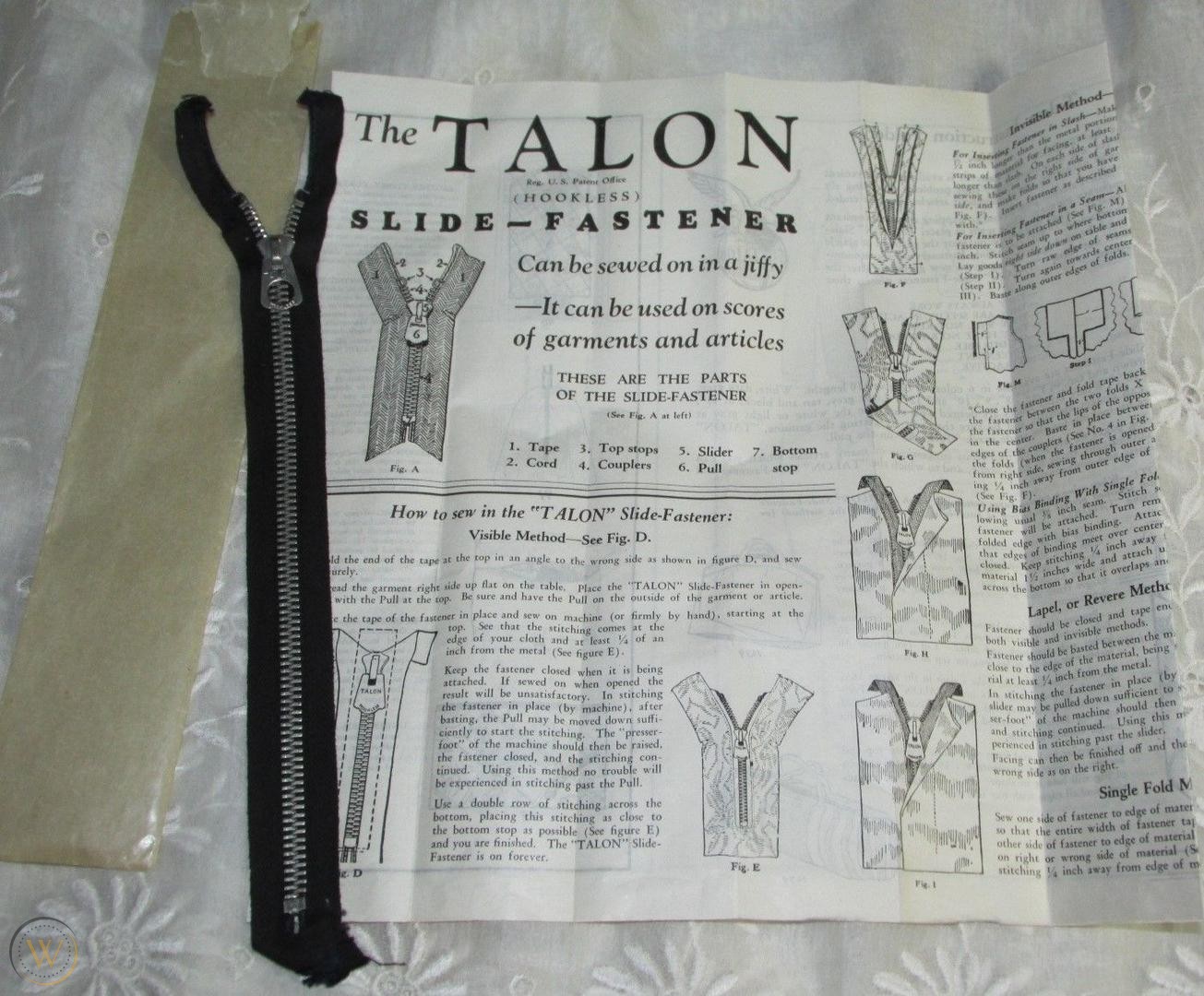
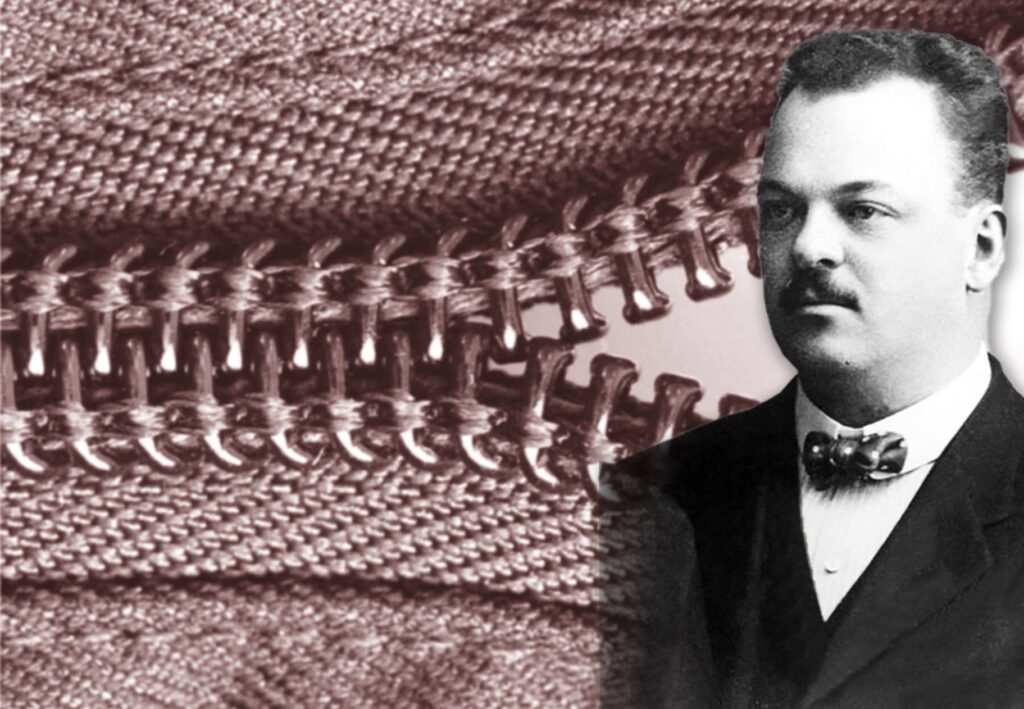
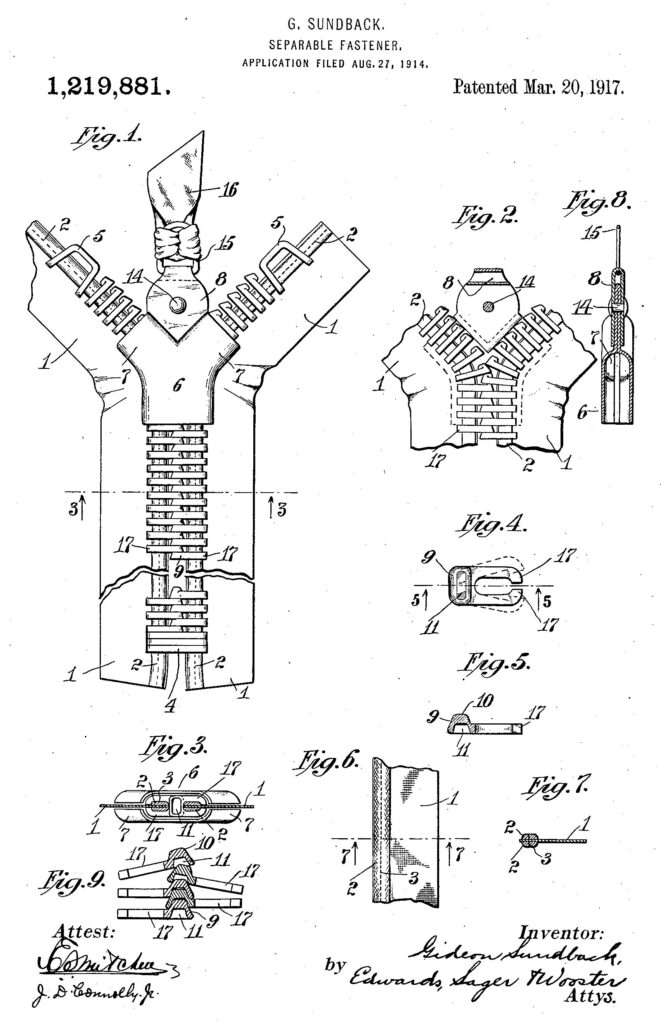
Before factories earned Meadville the name “Zipper City.”
Before lakes became destinations for recreation.

There was water, wilderness, and a strategic corridor that placed this region at the center of early American history.

The story of Crawford County does not begin in 1800. It begins decades earlier—when empires competed for control of the frontier and the land that would become Crawford County shaped the future of a nation.

The Land Before the County

Long before permanent European settlement, the region that is now Crawford County was an important Native American hunting ground and travel route. French Creek served as a vital artery connecting Lake Erie to the Allegheny River system, creating a natural transportation corridor through dense forest.

Control of waterways meant control of movement, trade, and influence. French Creek was not isolated wilderness—it was strategic ground.

That geography would soon draw global attention.

1753: A Young Washington on the Frontier

In 1753, a 21-year-old surveyor named George Washington traveled through the broader French Creek corridor on a diplomatic mission to the French. His journey helped ignite the French and Indian War—an international conflict that reshaped North America and set the stage for the American Revolution.

Today, that journey is commemorated through Washington’s Trail 1753, a designated heritage route tracing his path across western Pennsylvania.

Crawford County lies within this historic corridor.

Even before it had a formal boundary or a name, this landscape was connected to the forces that shaped the United States.

This portrait of Washington was painted in 1772 by Charles Willson Peale, and shows Washington in uniform as a colonel of the Virginia Regiment. The original hangs in Lee Chapel at Washington and Lee University in Lexington, Virginia. It is the earliest known depiction of Washington.

Settlement Takes Root: 1788

Permanent European settlement began in 1788 when David Mead and fellow settlers arrived from eastern Pennsylvania and established what would become Meadville—the first permanent white settlement in northwestern Pennsylvania.

The choice was intentional. French Creek provided waterpower and transportation. The surrounding land offered fertile soil and opportunity. Forest clearings became farms. Mills appeared along waterways. A frontier outpost slowly evolved into a structured community.

In 1796, Jonathan Titus founded Titusville as an agricultural and lumber settlement. At the time, no one could have predicted that this small town would one day launch the global petroleum industry.

March 12, 1800: Crawford County Is Formed

On March 12, 1800, Crawford County was officially created from part of Allegheny County. It was named for Colonel William Crawford, a Revolutionary War officer and associate of George Washington.

At its founding, this was still rugged frontier territory. Roads were primitive. Communication was slow. Travel depended on horseback and waterways.

Yet within a generation, the foundations of civic life were firmly established.

In 1805, the Crawford Weekly Messenger became the first newspaper published west of the Allegheny Mountains, connecting residents to national events and frontier developments.

In 1815, Allegheny College was founded in Meadville, becoming one of the oldest colleges in the United States. Education, intellectual life, and civic engagement quickly became part of the county’s identity.

From wilderness corridor to organized county, transformation happened rapidly.

After opening in 1815, Allegheny College was typical of many small elite colleges in remote locations. After two decades of uncertainty, trustees switched affiliation to the Methodist Church in hopes of reaching a wider student clientele.
Credit: Allegheny College Archives, Wayne and Sally Merrick Historical Archive Center, Pelletier Library, Allegheny College

A Foundation for What Would Follow

The early decades of Crawford County were defined by resilience and forward momentum. Geography shaped opportunity. Waterways shaped commerce. Community shaped identity.

Those formative years laid the groundwork for everything that followed—the canal era, the railroad boom, the oil strike in Titusville, industrial innovation in Meadville, agricultural leadership, and the leisure destinations that would later define the region.

Crawford County did not emerge in isolation. It emerged at the intersection of land, ambition, and national change.

As America approaches its 250th anniversary, understanding these beginnings reveals something essential: this region has been connected to the American story from the start.

Experience the Origins Today

Visitors can still explore this foundational chapter by:

• Following portions of Washington’s Trail 1753
• Exploring French Creek and its historic corridor
• Walking historic downtown Meadville
• Visiting Allegheny College
• Discovering the towns that grew from frontier roots

The landscape that shaped early America remains part of Crawford County’s identity today.

Ice Fishing in Crawford County: A Reliable Winter Fishing Destination

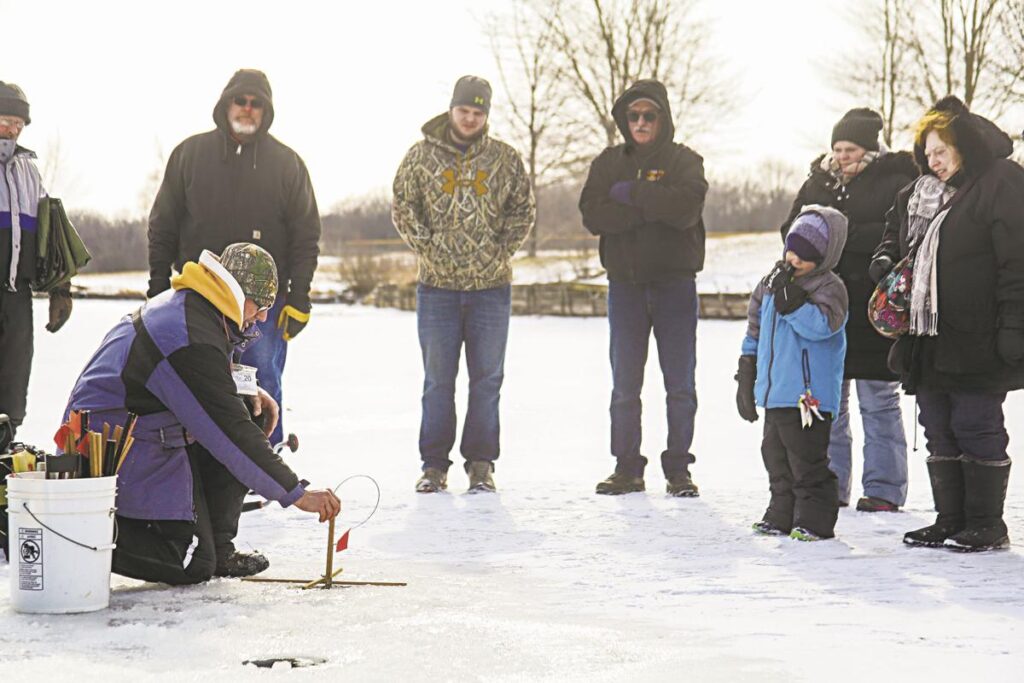
Ice fishing opportunities are limited across much of Pennsylvania, which is why Crawford County has become a destination for anglers looking for consistent winter conditions. While some areas may only see brief or unreliable ice, Crawford County’s colder temperatures and high concentration of lakes create a season that is dependable enough to plan around.

Maurice K. Goddard State Park
Photo Credit: Rich Reed Photography

With multiple lakes offering different fishing experiences, visitors can easily build a multi-day ice fishing trip rather than limiting themselves to a single outing. Whether targeting trophy predators, panfish, or simply looking for a quiet day on the ice, Crawford County provides options that are difficult to find elsewhere.

Where to Go and What to Catch

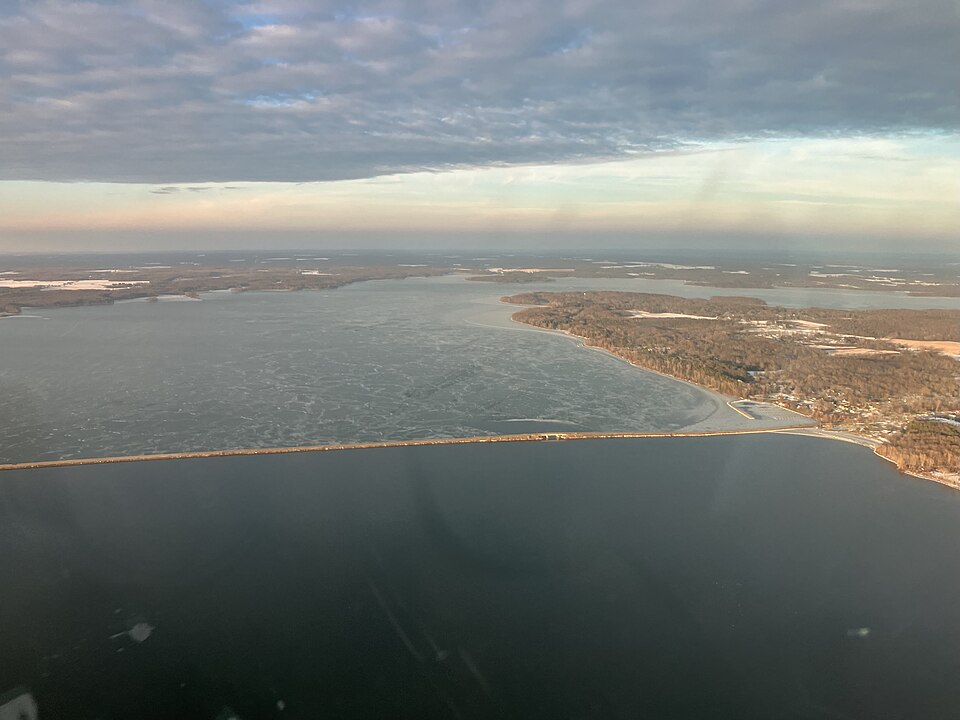
At the center of Crawford County’s ice fishing reputation is Pymatuning Reservoir. As one of the largest reservoirs in Pennsylvania, Pymatuning draws anglers from across the region once the ice is safe. Walleye and crappie are the primary targets, and during peak winter conditions, shanty towns commonly form near the Jamestown Marina and along the causeway. Because the lake sits on the Pennsylvania–Ohio border, either a PA or OH fishing license is valid anywhere on the ice, making it especially convenient for out-of-state visitors.

Canadohta Lake offers a different experience, known for its clear water and strong populations of northern pike and musky. Anglers come here looking for fewer bites but larger fish, while families and casual anglers appreciate the lake’s reliable bluegill fishing. The mix of trophy potential and steady action makes Canadohta a versatile stop during a longer stay.

 Muskie caught while ice fishing

Conneaut Lake is one of the region’s most recognizable natural lakes and a popular winter option when conditions allow. Ice anglers commonly target yellow perch, bluegill, and crappie. Its central location, nearby lodging, and walkable access points make it an appealing choice for visitors staying in the county and looking to fish close to accommodations.

Smaller lakes add even more flexibility. Tamarack Lake often freezes earlier than deeper waters and is known for panfish and bass, making it a reliable option early in the season or for anglers seeking a quieter atmosphere. Sugar Lake is frequently overlooked, which appeals to anglers looking for solitude. Chain pickerel and largemouth bass are common targets here, and lower pressure can make for a relaxed day on the ice.

Just outside the county, Maurice Goddard State Park adds another nearby opportunity for visitors basing their trip in Crawford County. Lake Wilhelm supports ice fishing for species such as crappie, bluegill, and perch, and its maintained access areas make it a practical addition to a multi-day itinerary.

Perch caught while ice fishing

Local knowledge plays an important role in ice fishing safety and success. Conditions can change quickly, but bait shops act as trusted information hubs for anglers. Gillette’s Bait & Tackle is widely used by anglers fishing Pymatuning, while Robinson’s Bait provides insight on conditions across the county. Checking in locally helps visitors fish with confidence.

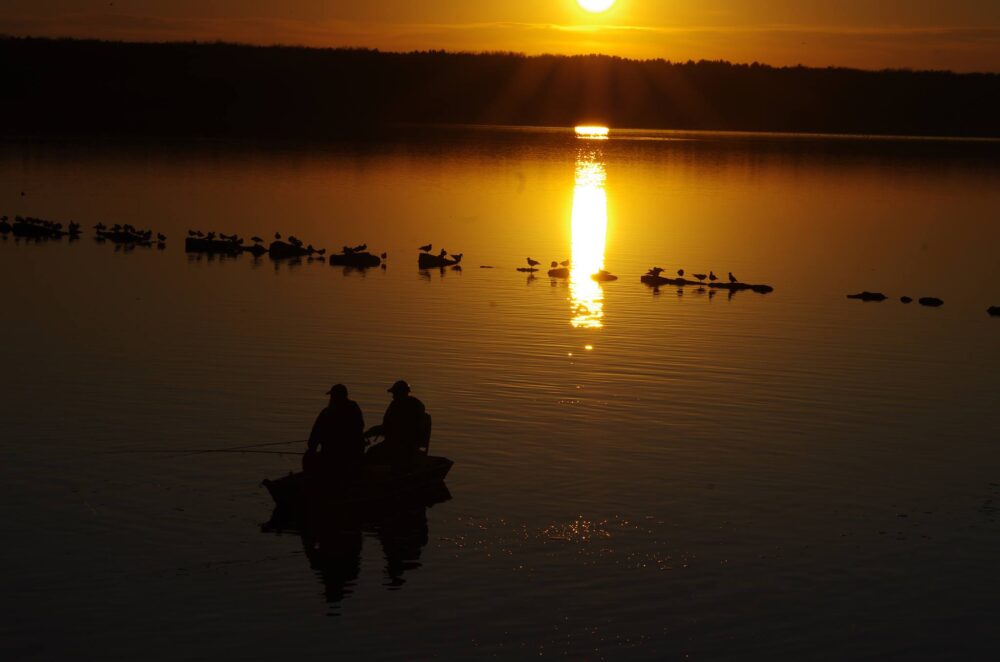
Sunset on Pymatuning Lake during winter
Photo Credit: Wild Heron Photography

Because ice fishing seasons in Crawford County often last longer than in surrounding areas, many anglers choose to turn their trip into a winter getaway. Staying near the lakes allows visitors to fish multiple locations, adjust plans based on conditions, and experience more of what the area offers. A typical visit might include early mornings on the ice, afternoons warming up in town, and returning the next day to a different lake.

For anglers looking for dependable ice, a variety of fishing options, and the ability to plan more than a single-day trip, Crawford County stands out as one of Pennsylvania’s most consistent winter ice fishing destinations. Start planning your ice fishing experience on our website or download our mobile app

Here are some other blogs you may be interested in:

America 250 and Crawford County PA

America’s story is not confined to famous landmarks or distant moments in time. It lives in places like ours—in the streets we walk, the buildings that still stand, and the communities that continue to shape what America is becoming.

In 2026, the nation marks its 250th anniversary. Known as America 250, this milestone is a moment to pause, reflect, and reconnect with the stories that define us. Through the work of America250PA, communities across Pennsylvania are bringing that history home—highlighting the people, places, and ideas that helped shape the American experience.

Here in Crawford County PA, America 250 is not about a single event or a single year. It is about honoring the generations who lived, worked, struggled, created, and dreamed here—and recognizing how their stories connect to the nation’s past, present, and future.

This region has always contributed to the larger American narrative. Whether through industry, agriculture, innovation, cultural traditions, civic leadership, or everyday life, Crawford County PA reflects the spirit of perseverance and possibility that defines America itself. America 250 gives us the opportunity to tell those stories in new ways—and to invite others to experience them firsthand.

As America 250 unfolds, visitors and residents alike are invited to explore:

  • Community events that bring history to life
  • Historic places that still shape our towns and landscapes
  • Stories that celebrate both well-known moments and overlooked voices
  • Experiences that connect generations through shared discovery

America 250 is not just about remembering where we have been. It is about understanding how the past informs who we are today—and how the stories rooted in places like Crawford County PA continue to shape the American journey.

This is our history. This is our place. And this is our moment to share it.

Check out these America250 Event held in Crawford County PA

“Stitching Through Time: American Quilting Traditions” – Luncheon

February 14th from 1pm to 3pm Mount Hope: The Baldwin Reynolds House Museum

Event Details

Celebrating America on its 250th Anniversary with R. Scott Stephenson

March 20th from 7pm to 8:30pm Ford Chapel on North Main Street

Event Details

Bus Tour to Philadelphia and Valley Forge: Visiting America’s Story!

April 23rd from 7am to April 26th 8pm

Event Details

Reception – A Patchwork Past: Telling America’s Story Through Quilts

May 1st from 7pm to 9pm Mount Hope: The Baldwin Reynolds House Museum

Event Details

Exhibit – A Patchwork Past: Telling America’s Story Through Quilts

May 2nd to September 6th 11am to 4pm Mount Hope: The Baldwin Reynolds House Museum

Event Details

Gravestone Cleaning and Basic Restoration Class – Greendale Cemetery

May 16th from 10am to 1pm Greendale Cemetery

Event Details

Walking Tour: Greendale Cemetery

May 23rd -9am, 11am, or 1pm Greendale Cemetery

Event Details

Grand Opening of the Official County Museum!

May 23rd from 6pm to 9pm Crawford County Historical Society

Event Details

Camp 1776: History Adventure Summer Camp (Ages 8-12)

June 8th at 9am Baldwin Reynolds House Museum

Event Details

America’s Semiquincentennial Parade!

July 3rd from 7pm to 9pm Meadville Downtown Historic District

Event Details

Old Fashioned Fourth: Official Day of Celebration and Fun In Crawford

July 4th from 10am to 10pm Robertson Athletic Complex

Event Details

Memory and Heirloom Roadshow – Meadville

August 8th from 11am to 1pm Mount Hope: The Baldwin Reynolds House Museum

Event Details

Memory and Heirloom Roadshow – Titusville

August 9th from 11am to 1pm Oil Creek & Titusville Railroad

Event Details

Drake Day: Celebrate America 250!

August 9th from 10am to 4pm Drake Well Museum and Park

Event Details

The Direct Primary – A Crawford County Invention

September 9th from 7pm to 8pm Crawford County Courthouse – Assembly Room

Event Details

Finding Justice: Pennsylvania Women and The Fight for the Vote

September 12th from 7pm to 8:30pm Crawford County Courthouse – Assembly Room

Event Details

Quilt Bed Turning at Mount Hope

September 26th from 1pm to 3pm The Baldwin Reynolds House Museum

Event Details

Lunch and Lecture – From the Heart of Pennsylvania to the Soul of France

October 10th from 11am to 1pm Mount Hope: The Baldwin Reynolds House Museum

Event Details

Small Town, Big Spirit: The Ultimate 2026 Guide to Crawford County Events

2026 is not just another year in Crawford County. As the United States celebrates its 250th anniversary, this corner of northwest Pennsylvania is marking the milestone in a way that feels authentic to its roots. Here, history is lived, agriculture is celebrated, and traditions are not recreated for visitors—they are shared. From hot air balloons floating above rolling valleys to tractors glowing under winter skies, these are the events that define Crawford County and make it unlike anywhere else.

Photo Credit: Amanda Barrick

Spring: Traditions That Signal the Start of the Year

Early March brings the Meadville Bluegrass Festival, a long-running fundraiser that fills indoor venues with banjos, fiddles, and harmonies rooted in Appalachian tradition. It is a reminder that Crawford County’s cultural heritage extends well beyond its borders.

The outdoor season begins with the Jack Curtin St. Patrick’s Day Parade on March 14, 2026. This high-energy downtown tradition signals the true end of winter, filling Meadville with marching bands, fire trucks from across the county, and crowds dressed head-to-toe in green. Diamond Park becomes the heart of the celebration, while nearby pubs and restaurants along Chestnut Street typically offer Irish-inspired menus throughout the weekend.

Summer: Balloons, Birthdays, and the Valley That Changed the World

Father’s Day weekend, June 18–21, 2026, belongs to the Thurston Classic. With historic ties to 19th-century aeronaut Samuel Thurston, this event turns Meadville’s skyline into a living canvas as competitive balloonists launch over the French Creek Valley. The signature moment is the Night Glow at Allegheny College, when tethered balloons illuminate the campus and create one of the most iconic visual scenes in the county.

Independence Day in 2026 carries added significance. An Old Fashioned Fourth on July 4 will serve as Crawford County’s official semi-quincentennial celebration. Hosted at the Robertson Athletic Complex, the event is planned as the largest free, county-led birthday party in local history, featuring vintage games, community picnics, and a fireworks finale created specifically for America’s 250th anniversary.

August turns attention to Titusville at the Titusville Oil Festival. Often called “the valley that changed the world,” Titusville celebrates its role as the birthplace of the modern petroleum industry. Drake Day commemorates Edwin Drake’s famous oil strike with living history demonstrations at the Drake Well Museum, along with parades and antique oil machinery displays found nowhere else.

No summer visit to Crawford County feels complete without a stop at the Pymatuning Spillway. While not a scheduled event, the peak-season carp feeding is a world-famous oddity where ducks appear to walk across the backs of densely packed fish, making it a must-do experience during any warm-weather weekend.

Late Summer into Early Fall: Three Fairs, One Agricultural Story

Crawford County’s fair season offers three distinct ways to experience the region’s agricultural roots, each with its own personality and appeal.

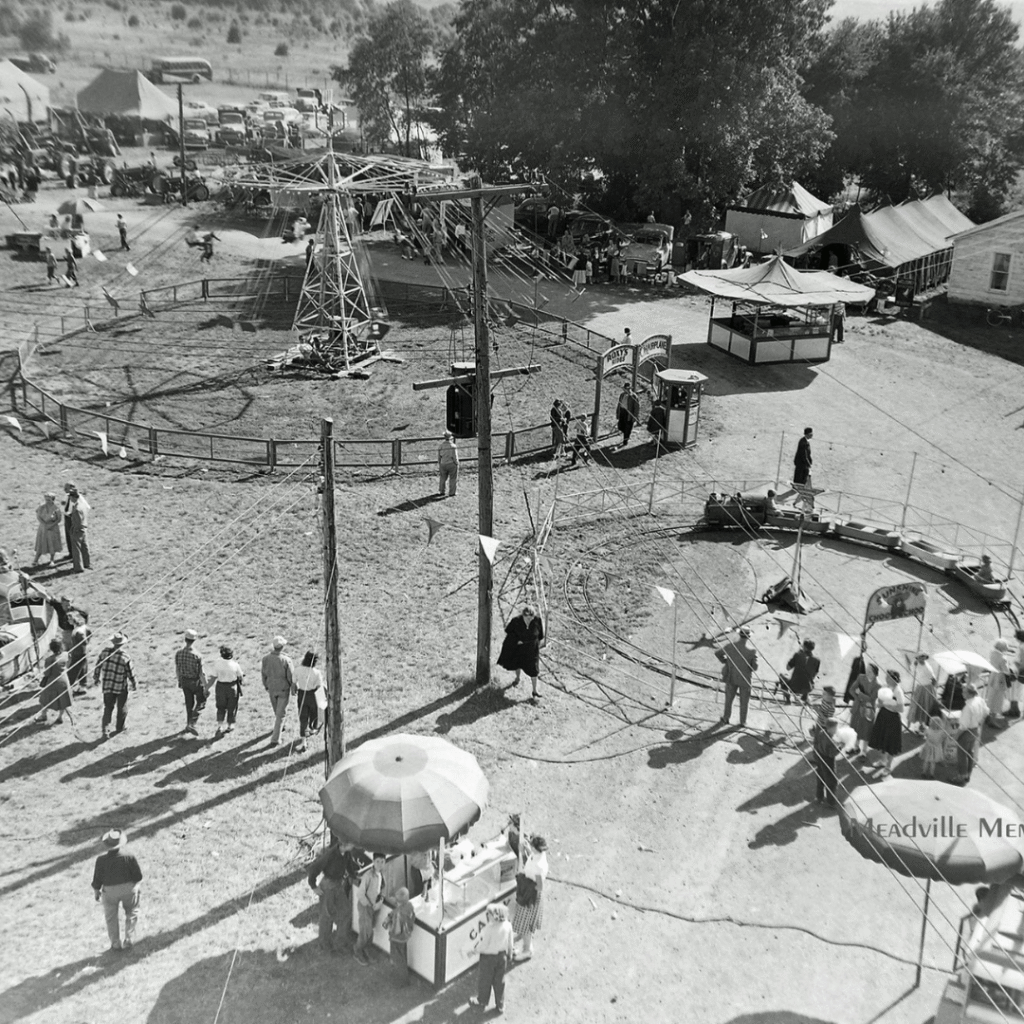
The season begins with the Cochranton Community Fair (August 3–8, 2026), a classic hometown fair where livestock shows, youth competitions, and evening entertainment create a welcoming, small-town atmosphere. It is an easy entry point for visitors looking to experience rural life without the crowds.

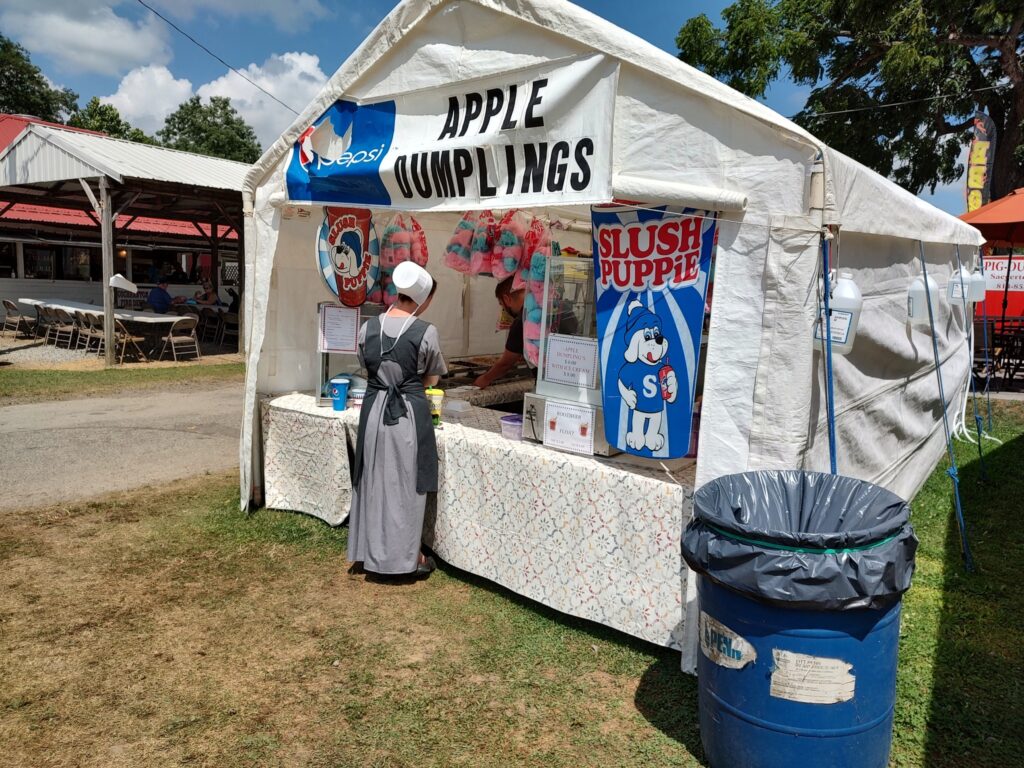
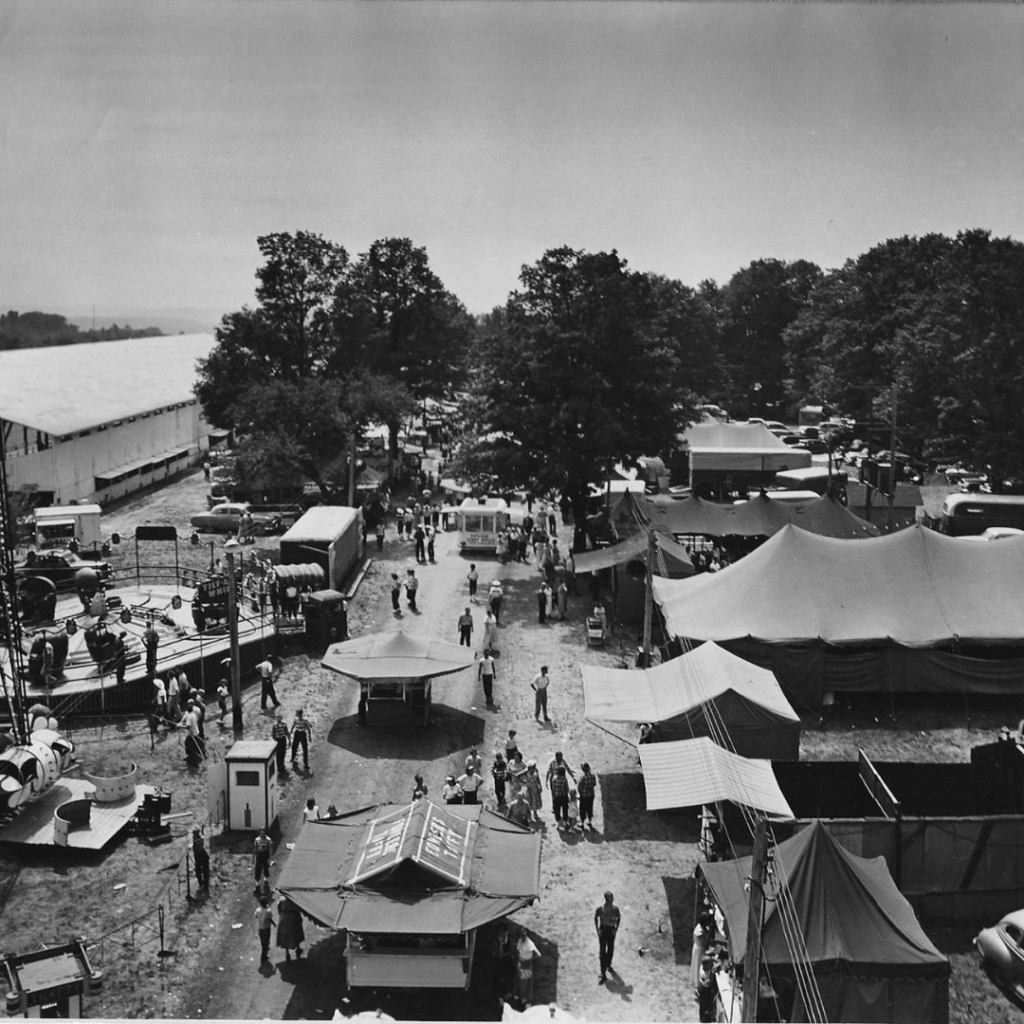
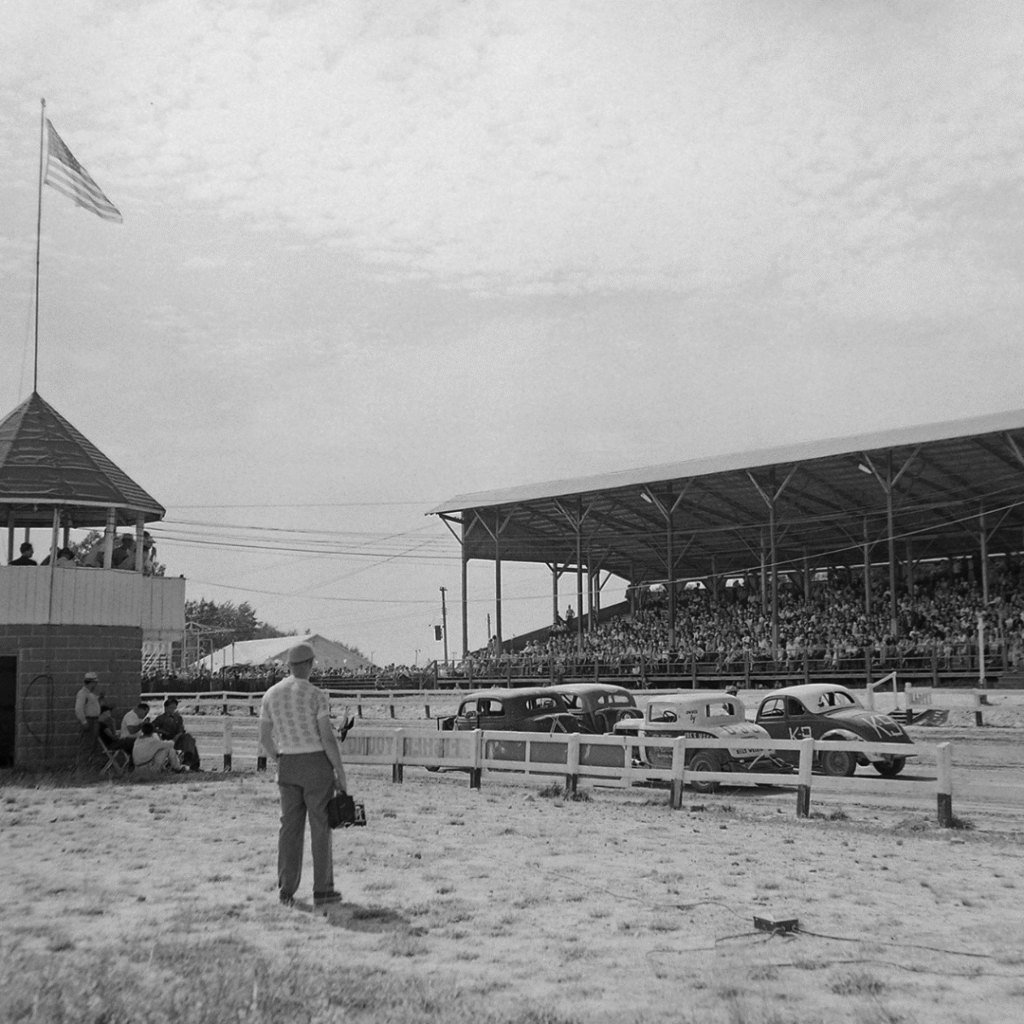
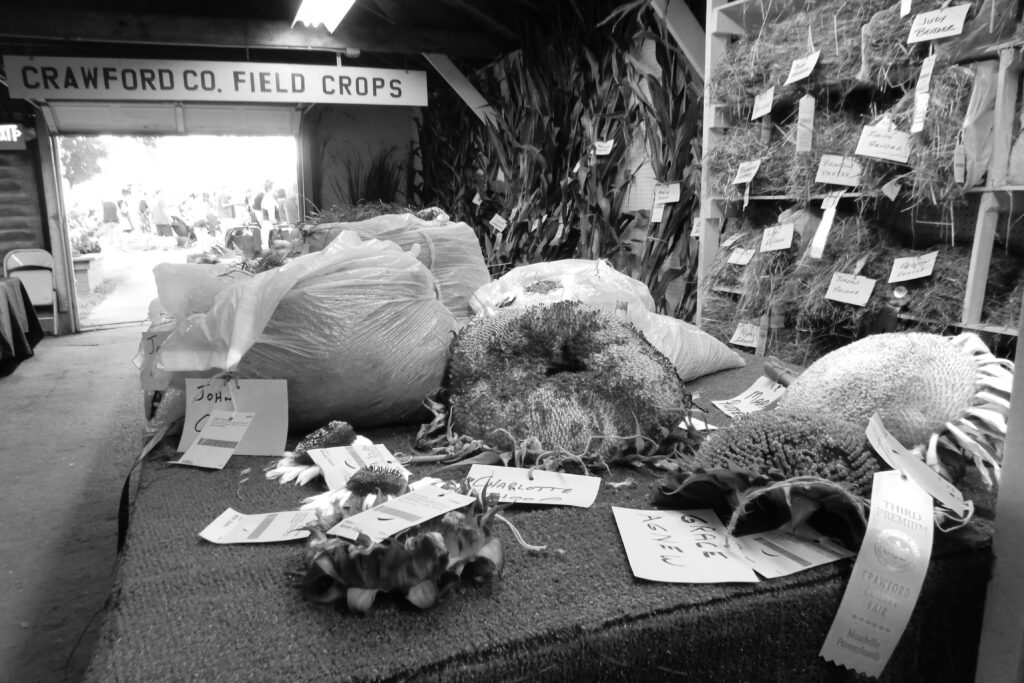
From August 22–29, 2026, the focus shifts to the Crawford County Fair, one of the largest agricultural fairs in the region. Harness racing, expansive barns, and signature foods like maple milkshakes and ox roast sandwiches make this a full-scale experience that anchors late summer in Crawford County.

As September arrives, the Spartansburg Community Fair (September 1–6, 2026) offers a more heritage-driven experience. Tractor pulls and antique machinery displays highlight the county’s farming past and provide a slower, more nostalgic way to close out fair season.

Together, these fairs show agriculture not as a single event, but as a living tradition woven through the county’s calendar.

Fall: When the Night Belongs to Crawford County

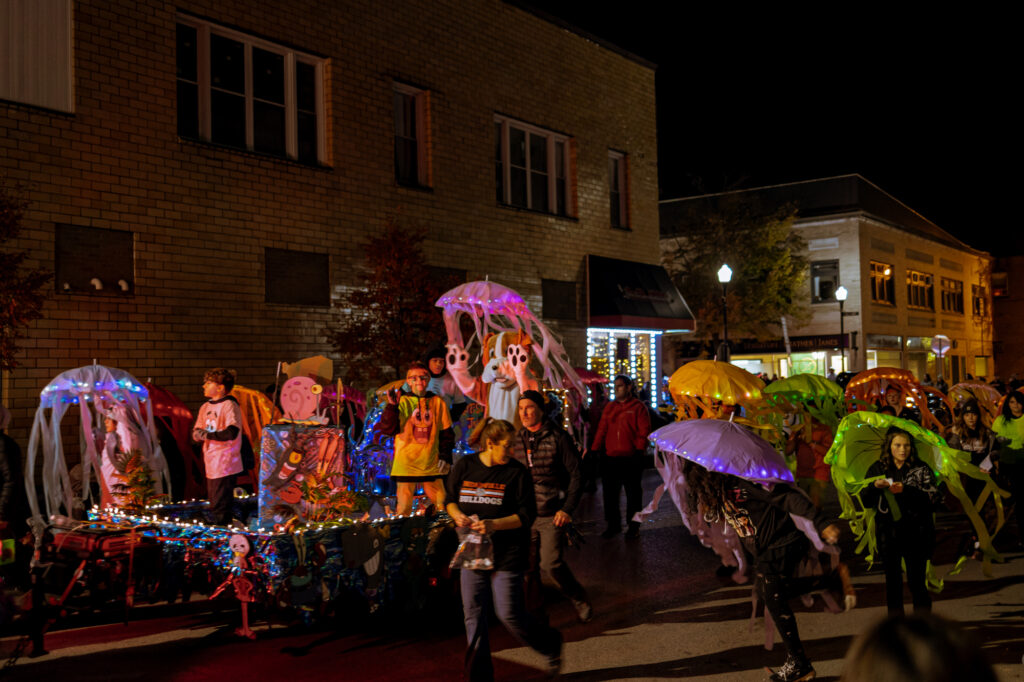
Each fall, downtown Meadville hosts the Meadville Halloween Parade, an event frequently cited as one of the largest nighttime parades in Pennsylvania. With more than 100 units, elaborate floats, performance groups, and powerful sound systems, the parade turns the city into a glowing, high-energy spectacle after dark.

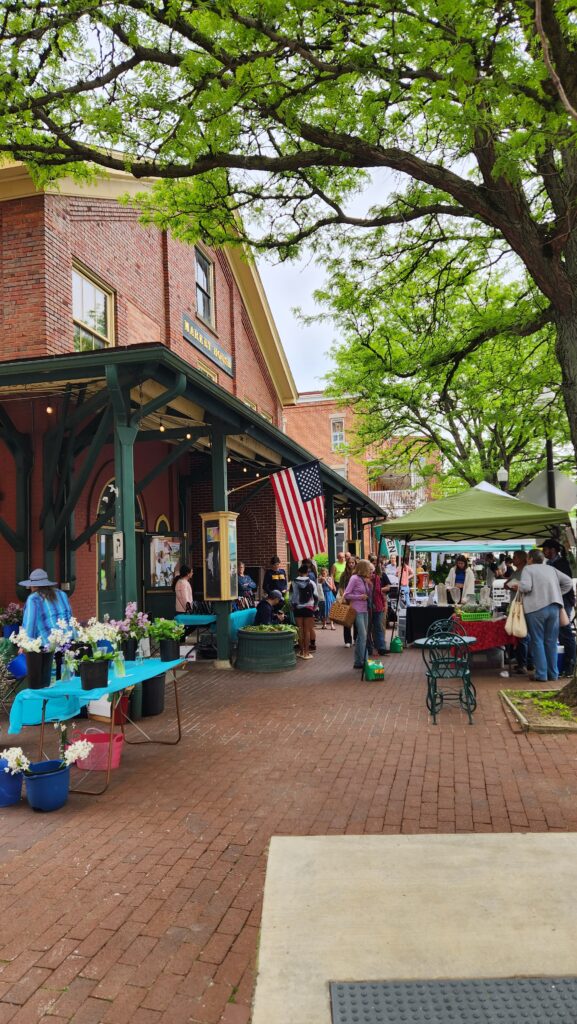
The route winds through the heart of downtown and around the historic Meadville Market House, creating a dramatic backdrop that blends history with pageantry. Longtime attendees know to arrive early with lawn chairs to secure a viewing spot, as crowds line the streets well before the first units roll through. For visitors, it is one of the most electric nights of the year and a signature fall experience in Crawford County.

Winter: Lighted Tractors and Timeless Traditions

Late November through December marks the return of Trees of Christmas at the Baldwin-Reynolds House Museum, a biennial event where the Meadville Garden Club transforms a 19th-century mansion into a Victorian holiday showpiece filled with themed trees and seasonal décor.

In Titusville, the season takes on a festive glow with Holiday at the Burgess, a holiday tradition set in Burgess Park. While the lighted display can be enjoyed as a drive-through experience, select weekends often include special in-person moments with Santa, reindeer, and even the Grinch, giving families multiple ways to experience the event throughout the season.

Crawford County also leans fully into its agricultural identity during the holidays. The Linesville Lighted Tractor Parade in December features everything from modern farm equipment to antique tractors wrapped in thousands of LED lights—a uniquely rural take on seasonal celebration and one of the county’s most distinctive winter traditions.

All Year Long: Riding Through History

While often associated with holiday events, the Oil Creek & Titusville Railroad is a year-round experience that connects many of these seasonal traditions. Operating excursions through Oil Creek State Park, the railroad offers a relaxed way to experience the Oil Creek Valley in every season. Spring and summer rides highlight forested hillsides and river views, fall foliage trips are among the most popular in the region, and winter excursions provide a quiet, snow-dusted perspective on the valley’s history. Specialty rides throughout the year reinforce Titusville’s role in the birth of the petroleum industry, making the railroad as much a moving museum as a scenic attraction.

Why 2026 Matters Here

Crawford County does not simply host events—it expresses its identity through them. In 2026, those traditions are amplified by a national milestone and a renewed focus on what makes this place distinctive: history that changed the world, agriculture that still shapes daily life, and communities that show up in every season. For visitors and locals alike, 2026 is the year to experience Crawford County at its most authentic.

Stay in the loop with events and more, follow our Facebook page, download our App, and check out the Events Calendar on our website.

*Event details were as of the date this article was publish and are subject to change, please see the actual event for current details and information.

Embracing the Chill: Your Winter Guide to Crawford County, PA

When winter arrives in Pennsylvania, many travelers head straight for busy ski resorts. Crawford County offers a different kind of cold-weather escape—one that feels quieter, slower, and more intentional. Snow-covered landscapes, low-key family activities, comforting meals, and welcoming places to stay define winter here. It’s an ideal destination for travelers who want seasonal charm without crowds or chaos.

Photo Credit: Blue Heron Photography

Outdoor Adventures for Winter Wanderers

Winter in Crawford County invites you outdoors at your own pace. The region’s natural spaces take on a peaceful, almost meditative quality once the snow settles in.

Cross-country skiing at Pymatuning State Park and Maurice K. Goddard State Park offers a peaceful alternative to downhill ski resorts. Open fields, wooded sections, and gently rolling terrain create ideal conditions for skiers of varying experience levels. Winter brings a quiet stillness to both parks, where snow-covered trails encourage slow exploration, fresh air, and an unhurried connection to the landscape.

Ice fishing is a winter staple across the county. When conditions allow, Tamarack Lake in Meadville and Pymatuning Reservoir draw anglers who embrace the colder months as part of the region’s year-round fishing culture. These spots remain productive even in winter, making them longtime local favorites.

Pymatuning also shines for winter hiking and wildlife watching. Snow and mist transform the spillway into a striking seasonal scene, while bald eagles are especially active during colder months. Winter is one of the best times to spot them perched near the lake or soaring overhead.

Indoor Fun for Families

Not every winter day calls for outdoor gear. Crawford County offers relaxed, affordable indoor activities that work well for families and multigenerational travelers.

The Rink Family Fun Center in Titusville and Canadohta Roller Rink in Canadohta Lake deliver classic roller skating with open skate sessions and themed nights that keep kids active for hours. Plaza Lanes in Meadville and Lost Lanes in Cambridge Springs combines bowling, arcade games, and casual food, making it a dependable option for snowy evenings.

For quieter entertainment, the Academy Theatre in Meadville hosts local productions and seasonal performances, offering a small-town cultural experience without the need to travel to a larger city. Local libraries in Meadville and Titusville also provide winter programming such as story times, crafts, LEGO sessions, and chess clubs—ideal for slower mornings or budget-friendly outings.

Cozy Eats and Warm Winter Stops

Winter is the season to linger indoors, and Crawford County’s dining scene leans into comfort and atmosphere.

Traveler’s Café in Saegertown is known for its specialty waffles and relaxed, intimate setting. It’s a natural stop after a cold morning outdoors, perfect for brunch and unhurried conversation.

Orr’s Brewing in Titusville offers a laid-back taproom experience well suited for winter evenings, pairing locally crafted beers with a solid menu of pub-style comfort food. Guests can warm up with handheld favorites, shareable plates, and hearty options that complement the brewery’s rotating beer selection, all in a relaxed, small-town setting that encourages lingering during the colder months.

Lucantino’s Trattoria in Meadville provides a warm café atmosphere ideal for lingering over coffee or settling into a hearty Italian meal. The combination of comfort food and cozy surroundings makes it a reliable winter favorite.

Where to Stay: Cozy Bases for a Winter Getaway

Crawford County’s lodging options are especially appealing in winter, offering warmth, character, and proximity to nature. Whether visitors prefer a traditional bed and breakfast or a private cabin retreat, these stays serve as inviting home bases for the season.

Charming Bed & Breakfasts

Azalea House Bed & Breakfast offers a calm, welcoming environment well suited for unwinding after winter exploration. The Carriage House Inn delivers historic charm and intimate interiors, making it a strong choice for romantic winter weekends. Josephine’s Bed & Breakfast combines classic comfort with friendly hospitality near Meadville, while Wester Farm Bed & Breakfast provides a peaceful countryside escape surrounded by winter scenery.

Cabins and Cottages

For travelers seeking privacy and quiet, cabins and cottages offer an ideal winter experience. Early Grace Cottage is well suited for unplugged weekends, while Sweet Solitude Cabin lives up to its name with a focus on calm, silence, and snowy mornings by the fire. Hickory Nut Cottage offers a nature-focused retreat popular with hikers, birdwatchers, and guests who appreciate being surrounded by the outdoors year-round.

A Quiet Season Worth Experiencing

Winter in Crawford County is not about spectacle—it’s about atmosphere. The season brings space to slow down, reconnect, and enjoy simple pleasures. From snow-covered trails and eagle sightings to comforting meals and inviting places to stay, the county becomes a destination that feels both accessible and restorative during the colder months.

Don’t let the cold and snow stop you from getting out, plan a Winter Getaway in Crawford County PA! Start planning on our website at https://visitcrawford.org/ or download our mobile app at https://visitcrawford.org/mobile-app/.

a snowy pond
Photo Credit Katie H