




250 Years. 12 Stories. One County.
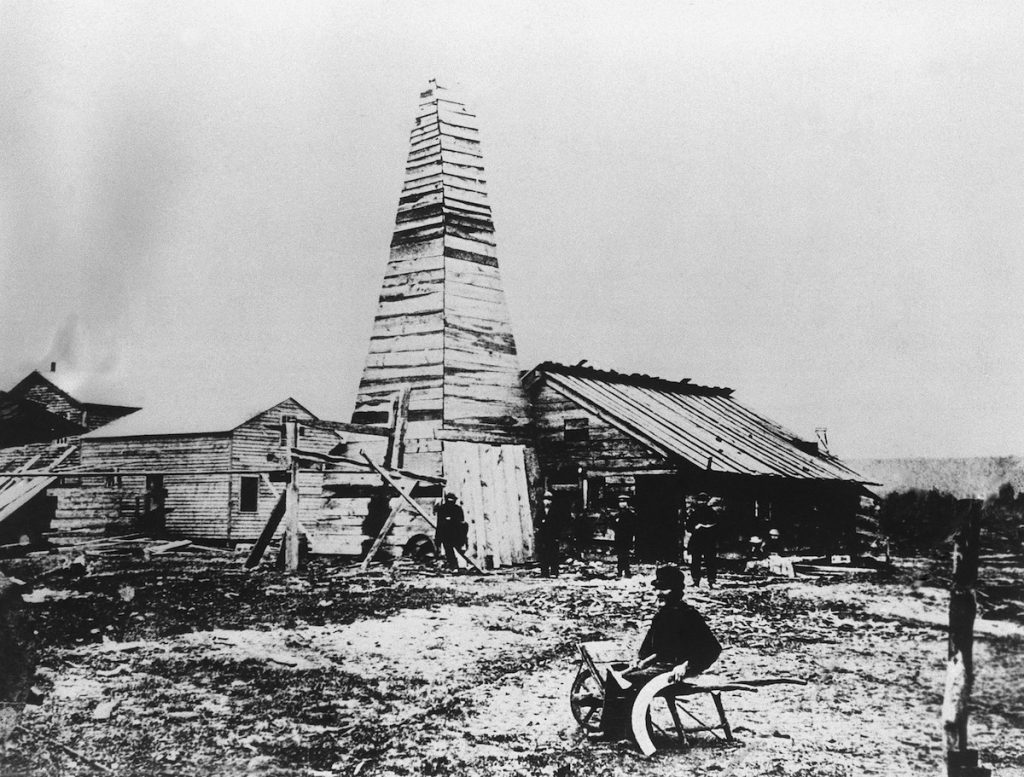
On August 27, 1859, in a quiet patch of land along Oil Creek near Titusville, history changed forever.
What began as an experiment ended as the birth of the modern petroleum industry. And it happened right here in Crawford County.
69.5 Feet That Transformed the World
In the summer of 1859, Edwin Drake and his driller, William “Uncle Billy” Smith, struck oil at a depth of just 69.5 feet.
Oil had been known to seep naturally from the ground for centuries. But no one had successfully drilled for it in a controlled, commercial way.
Drake solved the problem by driving an iron pipe into the ground to stabilize the borehole — a technique known as the “drive pipe.” That simple but revolutionary innovation became the foundation of modern oil and gas drilling worldwide.
In that moment, a rural Pennsylvania community became the epicenter of a global energy revolution.
From Farm Town to Boomtown
The impact was immediate.
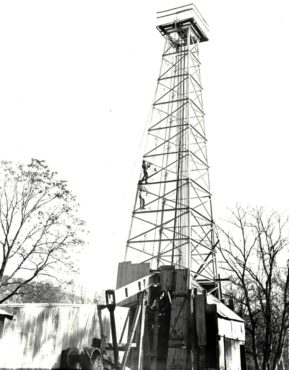
Within months, Titusville transformed from a quiet lumber and agricultural settlement into a booming oil town. Entrepreneurs, investors, laborers, and speculators flooded the region. Derricks rose across the landscape. Railroads expanded. Fortunes were made—and lost.
The ripple effects stretched far beyond Crawford County.
The oil strike in Titusville:
- Fueled the rise of Standard Oil
- Powered the Industrial Revolution
- Shifted global geopolitics
- Transformed transportation, manufacturing, and daily life
Modern economies, automobiles, plastics, aviation, and even pharmaceuticals trace their lineage back to that single well.
Few places in the world can claim a moment that fundamentally reshaped how humanity powers itself. Crawford County can.
More Than Industry — A Global Legacy
The oil boom also produced influential voices and movements.
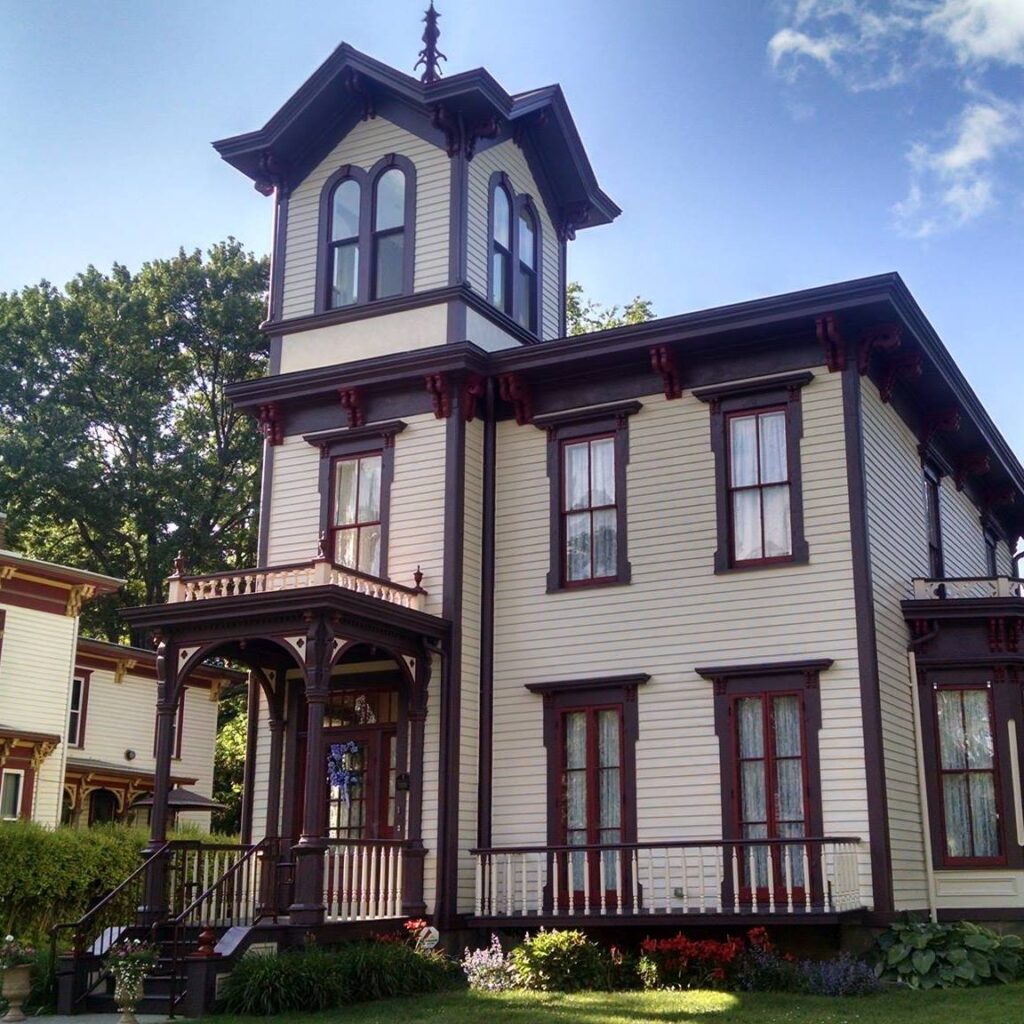
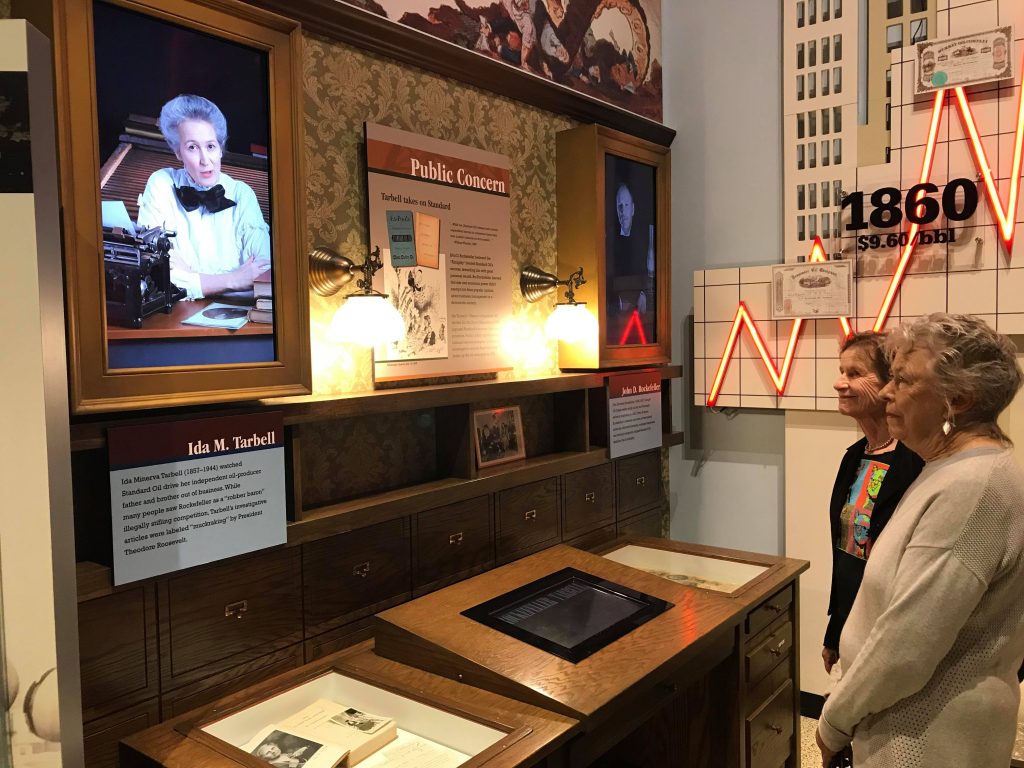
Titusville became home to journalist Ida Tarbell, whose groundbreaking investigation of Standard Oil in the early 1900s led to the breakup of one of the largest monopolies in American history. Her work helped define modern investigative journalism and antitrust law.
The oil era did not simply create wealth. It sparked debates about power, fairness, industry, and regulation that still shape America today.
Crawford County was not just where oil was discovered. It became a proving ground for the modern economic system.
Experience the Birthplace of Big Oil Today
Visitors can explore this pivotal chapter of history at:
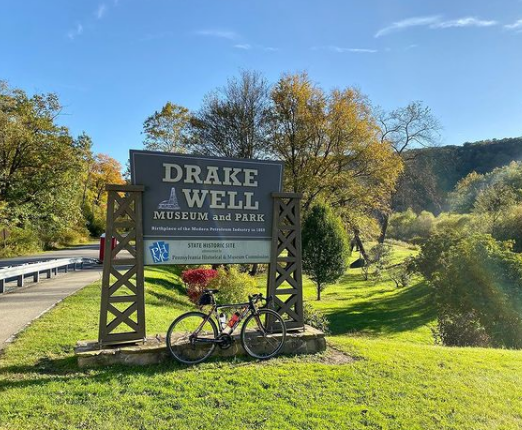
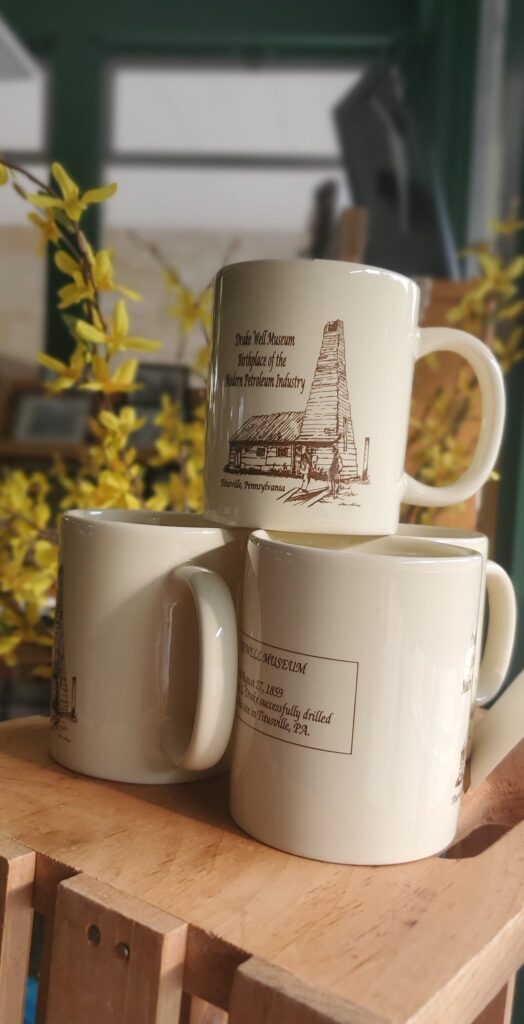
• Drake Well Museum and Park — where a replica of the original well stands near the site of the 1859 strike
• Oil Creek landscapes that once bristled with derricks
• Historic Titusville, where boomtown energy reshaped a community
Standing at the site of the Drake Well is not simply a history lesson. It is standing at the birthplace of the modern energy age.

Why This Story Matters for America 250
As the nation approaches its 250th anniversary, Crawford County’s role in American history cannot be overlooked.
The American story is one of invention, risk, resilience, and transformation. The Drake Well embodies all of it.
In 1859, this region did not just grow alongside America — it helped power it.
Experience the Birthplace of Big Oil Today
The story of 1859 isn’t locked behind glass. It’s woven into the landscape, the rails, and the streets of Titusville and Crawford County. Visitors today can step directly into the world the oil boom created.
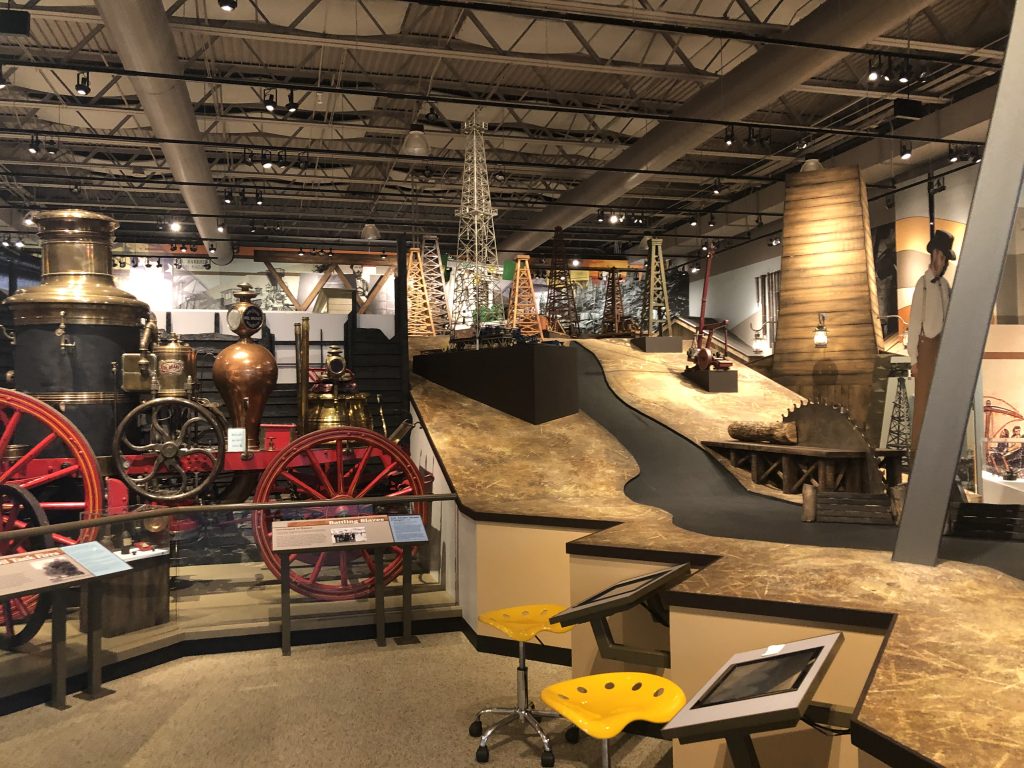
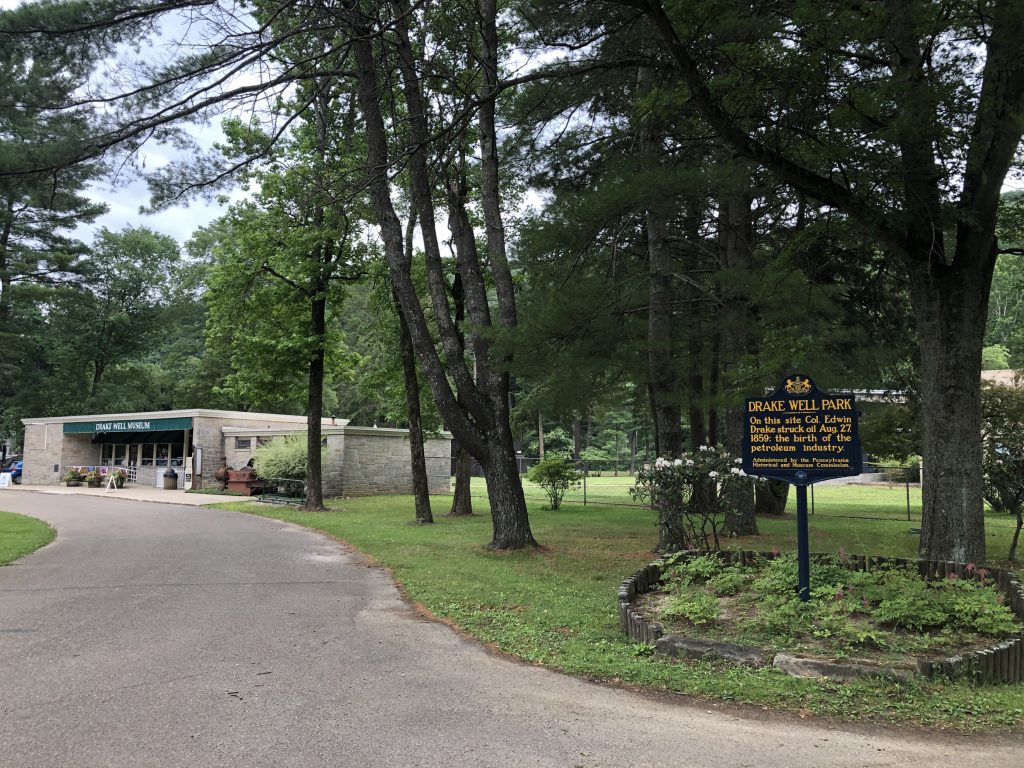
Drake Well Museum and Park — Stand at the very site where Edwin Drake changed history. A working replica of the original derrick and engine house rises near the spot of the 1859 strike, and the museum houses one of the most comprehensive collections of early oil-era artifacts in the world, from horse-drawn drilling rigs to the tools that built an industry.
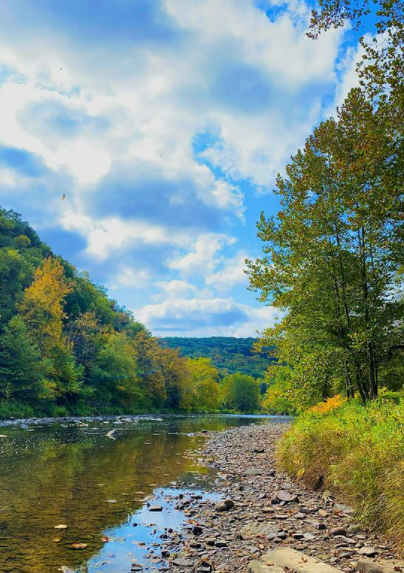
Oil Creek State Park — Walk, bike, or paddle through the very valley that once bristled with hundreds of wooden derricks. The 9.7-mile paved Oil Creek Bike Trail follows the creek through what historians call the “Valley That Changed the World,” with interpretive markers showing where vanished boomtowns once stood.
Oil Creek & Titusville Railroad — Climb aboard a vintage train pulled by a 1940s locomotive and ride the same rails that once carried barrels of crude to market. The route winds through the heart of the historic oil region between Titusville and Rynd Farm.
Pithole City Historic Site — Just a short drive from Titusville lies the ghost of a town that grew from forest to 15,000 residents in months, then nearly vanished. A visitor center tells the wild, fleeting story of America’s fastest boom-and-bust town.
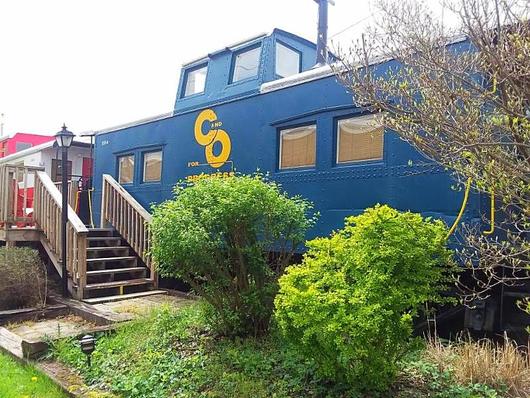
The Caboose Motel — Spend the night in a piece of railroad history. Each room is a fully renovated train caboose — a one-of-a-kind stay that connects you to the era when rails and oil built the modern world together.
Historic Downtown Titusville — Wander past boomtown-era architecture, Victorian storefronts, and the buildings that housed the bankers, barons, and bootstrappers of the original oil rush. Local shops, restaurants, and the annual Titusville Oil Festival keep the heritage alive.
The Ida Tarbell House — Visit the Titusville home of the pioneering journalist whose investigation of Standard Oil reshaped American business and law. A National Historic Landmark, the house stands as a tribute to one of the most influential women in American journalism — and a reminder that Crawford County didn’t just birth the oil industry, it produced the voice that held it accountable.
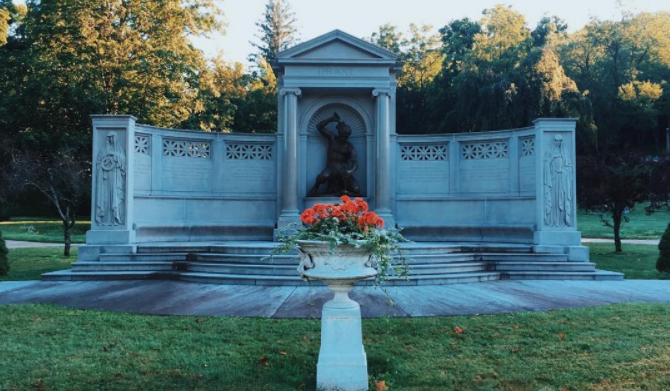
Colonel Drake’s Memorial at Woodlawn Cemetery — A grand memorial honors the man who started it all, in the town that owes him its place in history.


Continue the Journey Through 250 Years
In 1859, Crawford County lit a spark that fueled the modern world. But long before oil flowed from the ground here, another current was already running through these hills — one of courage, conviction, and quiet defiance. Just a generation earlier, the same Pennsylvania landscape that would soon power an industrial revolution was helping power a moral one. Before Crawford County made history with a drill, it was making history with conscience.
Next in our series: Crawford County’s courageous role in the Underground Railroad and the abolitionist movement that shaped the moral conscience of the nation.
Explore more America 250 stories and plan your visit to Crawford County today.