



250 Years. 12 Stories. One County.
Not every chapter of Crawford County’s history was forged in factories, oil fields, or downtown storefronts. Some were shaped by water, conservation, and bold engineering.
In the early 20th century, a landscape once defined by wetlands, farmland, timber, and frequent flooding was transformed through one of Pennsylvania’s most ambitious public works projects. What emerged was not just a reservoir, but a destination that would shape recreation, conservation, and tourism in Crawford County for generations.
That project created Pymatuning Reservoir.
A Depression-Era Engineering Feat
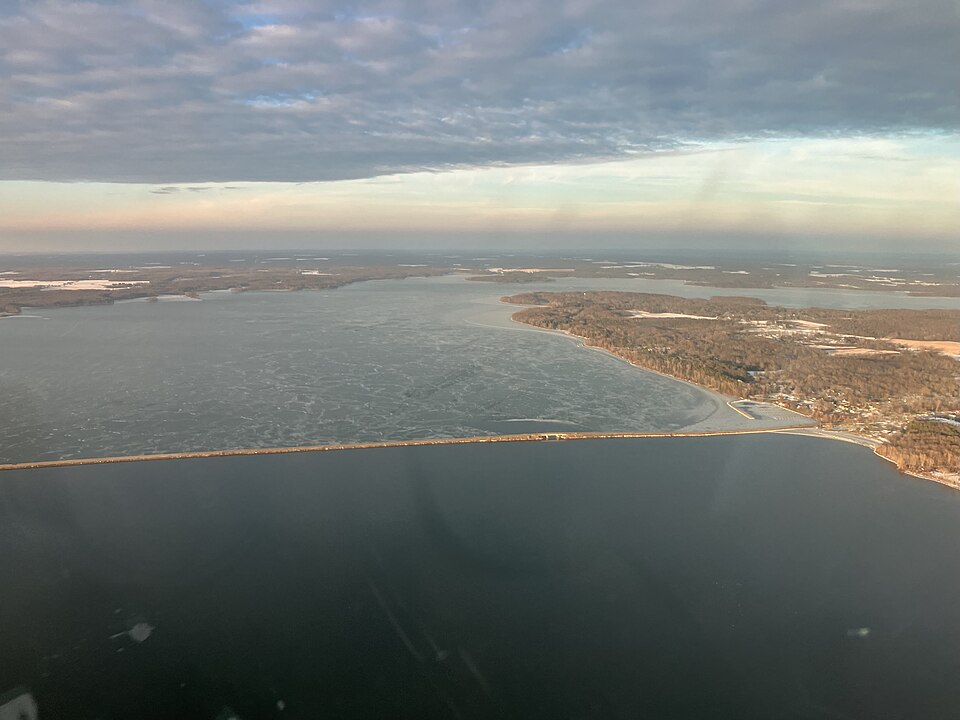
Before the dam was built, the Pymatuning area was a mix of wetlands, forests, farms, and small communities. The Pymatuning Swamp occupied much of the watershed, creating frequent flooding challenges along the Shenango River system. Portions of the land that would become the reservoir were also home to farms, timber operations, and families whose properties were acquired as part of the transformation.
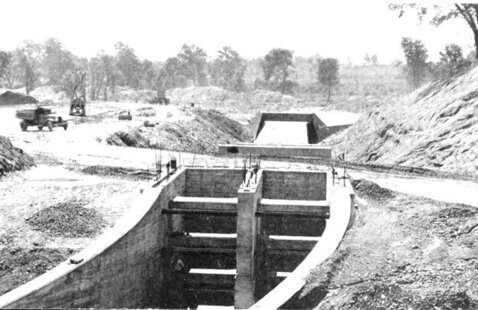
The vision for controlling the watershed began decades earlier, with the Pennsylvania Legislature authorizing the Pymatuning project in 1913. Construction of the Pymatuning Dam finally began in October 1931 under Governor Gifford Pinchot during the depths of the Great Depression.
The massive undertaking provided critical employment during a difficult economic period, with workers clearing land, moving earth, and constructing the dam and surrounding infrastructure. Additional labor from Depression-era work programs, including the Civil Works Administration and Civilian Conservation Corps, helped develop recreation facilities and conservation areas.
Completed in 1934, the project transformed thousands of acres into one of Pennsylvania’s most significant reservoirs.
Today, Pymatuning Reservoir is Pennsylvania’s largest reservoir by surface area, covering more than 17,000 acres and stretching across the Pennsylvania-Ohio border.

More Than Flood Control
While flood management was one of the project’s original purposes, Pymatuning quickly became something much larger.
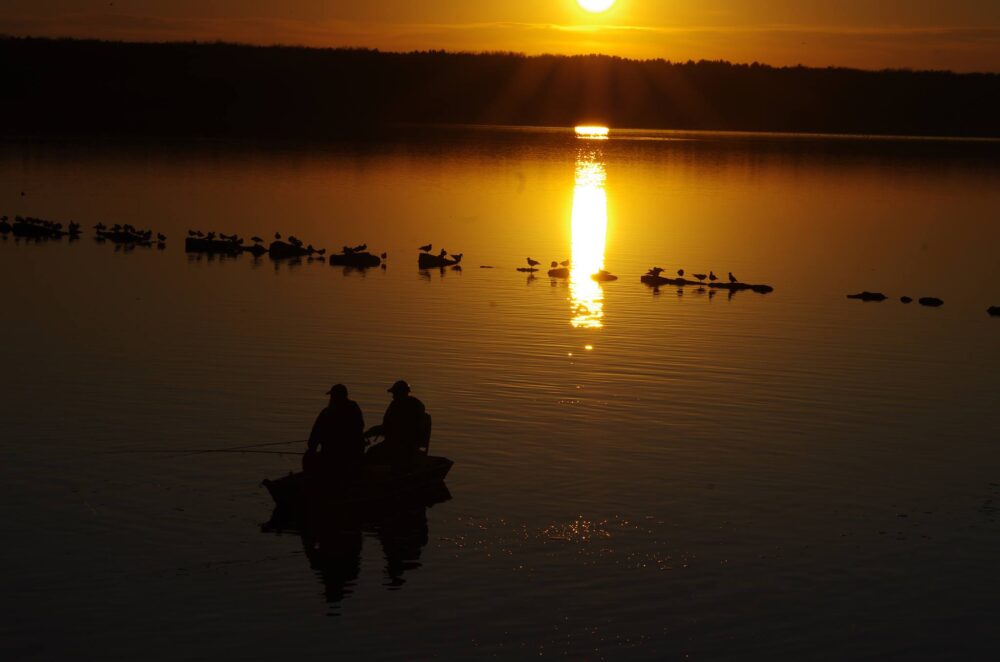
The reservoir helped create important habitat for migratory birds along the Atlantic Flyway and became a leader in waterfowl conservation and propagation efforts. Over time, it developed into one of the region’s most popular outdoor destinations, attracting anglers, boaters, campers, and wildlife enthusiasts.
What began as an engineering solution became a defining part of Crawford County’s identity.
“Where the Ducks Walk on the Fish”
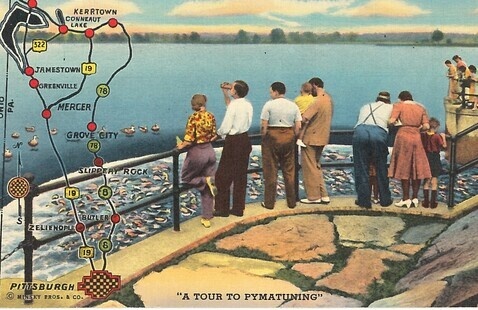
Perhaps the most famous attraction connected to Pymatuning is the Linesville Spillway—often known as the place “where the ducks walk on the fish.”
At certain times of year, thousands of carp gather at the spillway in a remarkable display of nature and human interaction. Visitors have watched for generations as ducks appear to walk across the backs of fish while competing for food.
The scene is unusual, memorable, and uniquely Crawford County.


A Conservation Legacy
Pymatuning represents something deeper in the county’s story: the balance between development and stewardship.
At a time when many communities were shaped primarily by extraction and industry, Crawford County also developed a legacy of protecting its natural resources. The county is home to important waterways like French Creek, recognized as one of the most biologically diverse streams in Pennsylvania, while Pymatuning demonstrates how thoughtful water management can create lasting recreational and ecological value.
The story of Pymatuning reminds us that progress is not only measured by what communities build or produce. Sometimes, it is measured by what they preserve.
As America approaches its 250th anniversary, this chapter of Crawford County’s history highlights a different kind of innovation—one built through cooperation, conservation, and a long-term vision for future generations.


Experience Pymatuning Today
Visitors can enjoy:
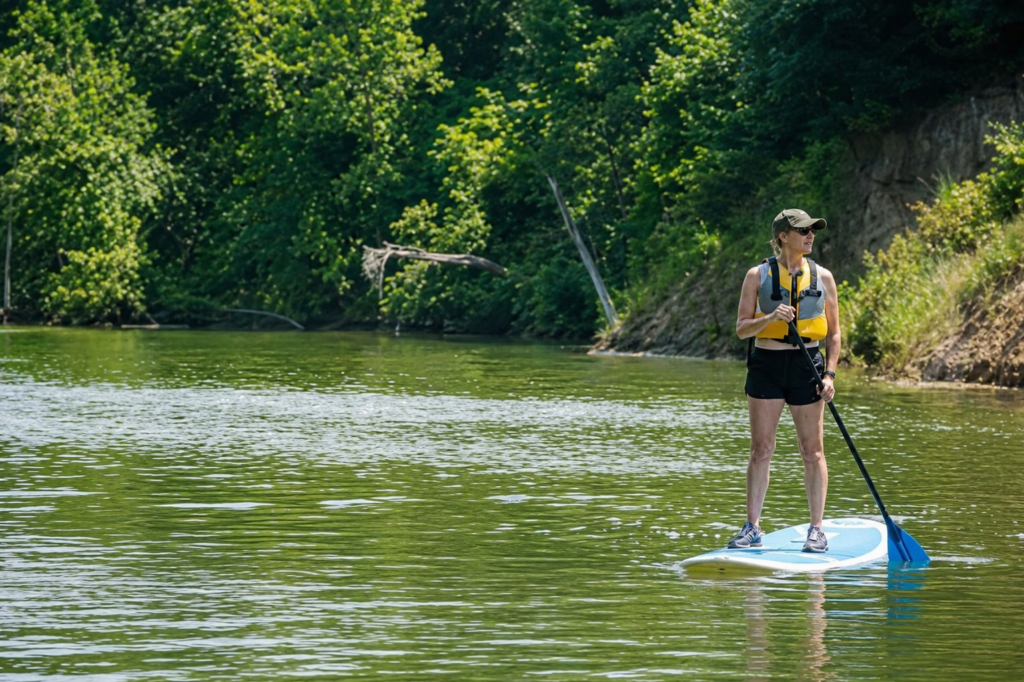
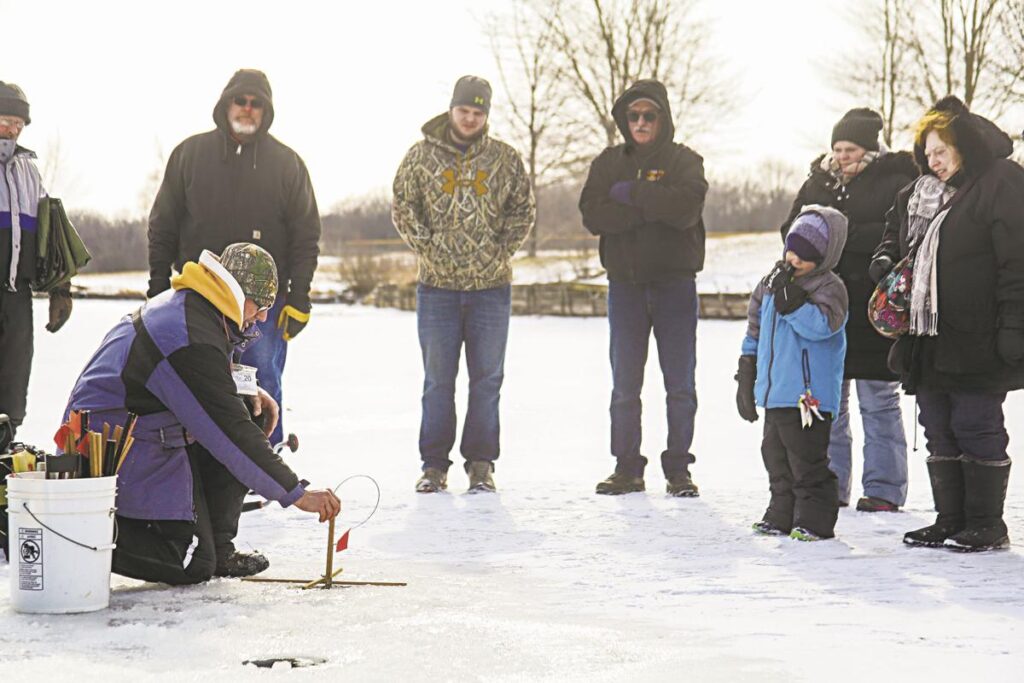
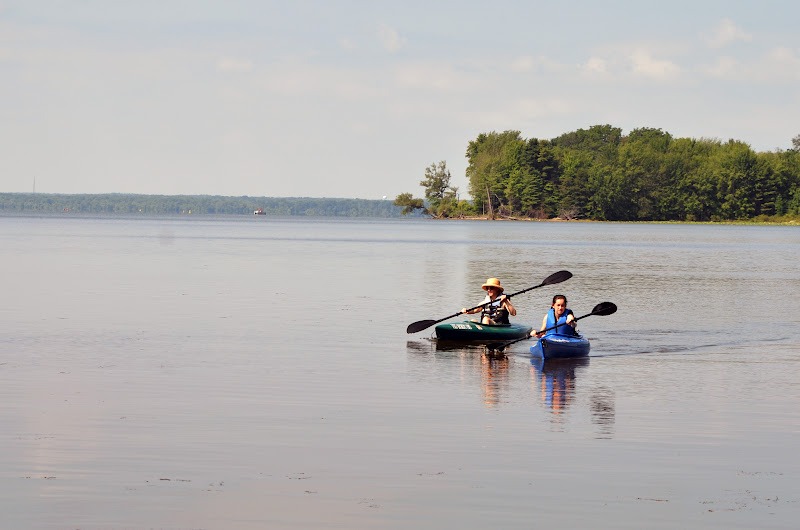
• Fishing and boating on Pymatuning Reservoir
• Wildlife watching and birding
• Family camping and lakeside recreation
• A stop at the famous Linesville Spillway
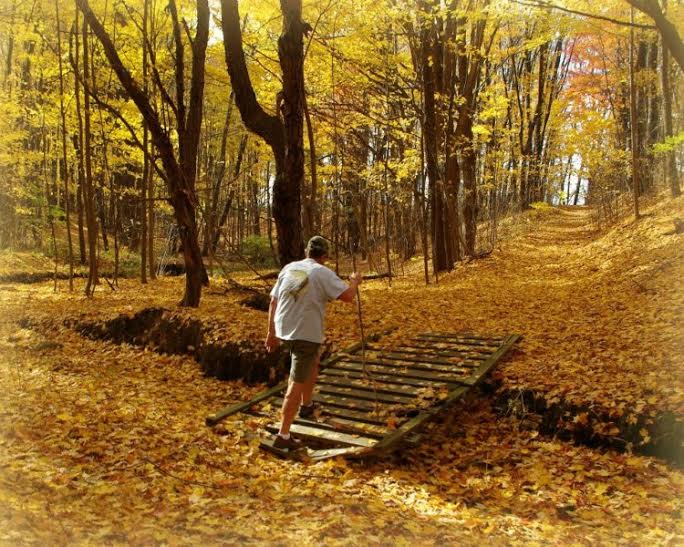
• Scenic drives through one of Pennsylvania’s most peaceful landscapes
What began as a Depression-era public works project is now one of the region’s defining outdoor experiences—a place where engineering, conservation, and recreation come together.