




250 Years. 12 Stories. One County.
Before oil powered the modern world and factories produced millions of zippers, Crawford County was known for something far more fundamental: feeding people.
For much of the 19th and early 20th centuries, this region was one of Pennsylvania’s agricultural powerhouses—a place where science, skill, and stewardship shaped a thriving rural economy.
The “Cheese and Butter District”
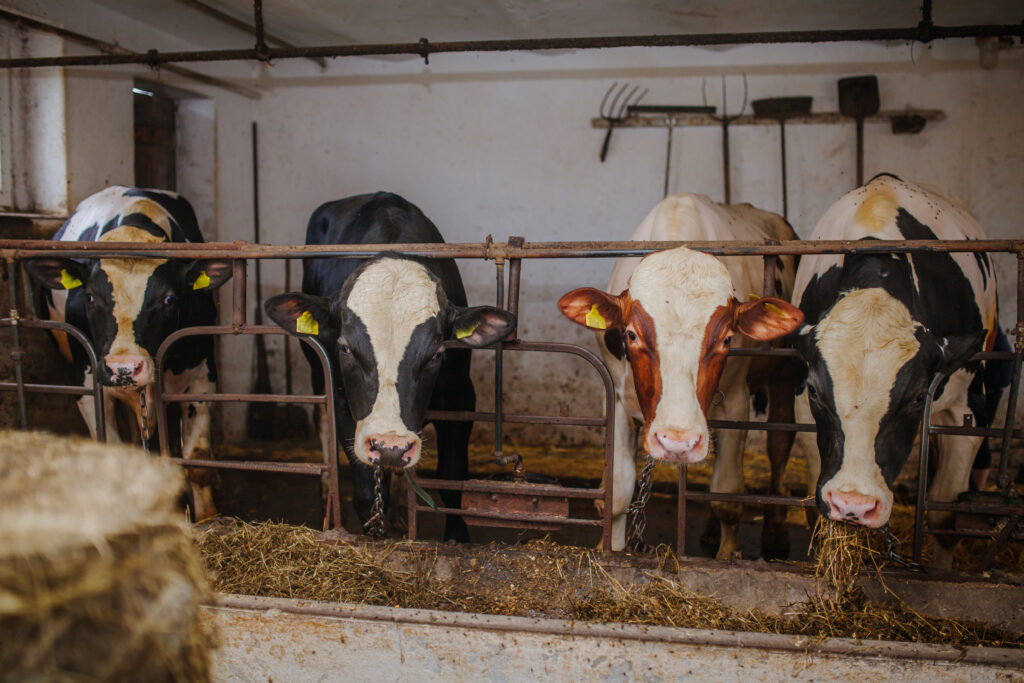
By the mid-1800s, Crawford County had become part of what was known as Pennsylvania’s “Dairy Zone.” In 1860 alone, local farms produced more than 1.8 million pounds of butter.
This was not small-scale subsistence farming. It was advanced agricultural production, built on knowledge of livestock management, feed cultivation, and dairy chemistry. Much of this expertise was led by women, who were responsible for the precision and consistency required in commercial butter and cheesemaking.
Crawford County farmers were not simply growing food—they were refining techniques that helped elevate dairy production standards across the region.
Here is a breakdown of the region’s dairy legacy:
- 1860 Peak: Local families were producing 1.8 million pounds of butter and more than 300,000 pounds of cheese annually. – Source Explore PA History
- Factory Shift: By 1875, Crawford County boasted 65 distinct cheese factories as home-based production transitioned to a factory scale. – Source Explore PA History
- Historical Marker: You can read the official Pennsylvania Historical Marker honoring this era on the Explore PA History Crawford County Marker page.
- Preserved Artifacts: To dive deeper into how early rural families farmed and processed these dairy goods, visit the Crawford County Historical Society site to explore their agricultural museum and archives. [1, 3]
Improving the American Horse
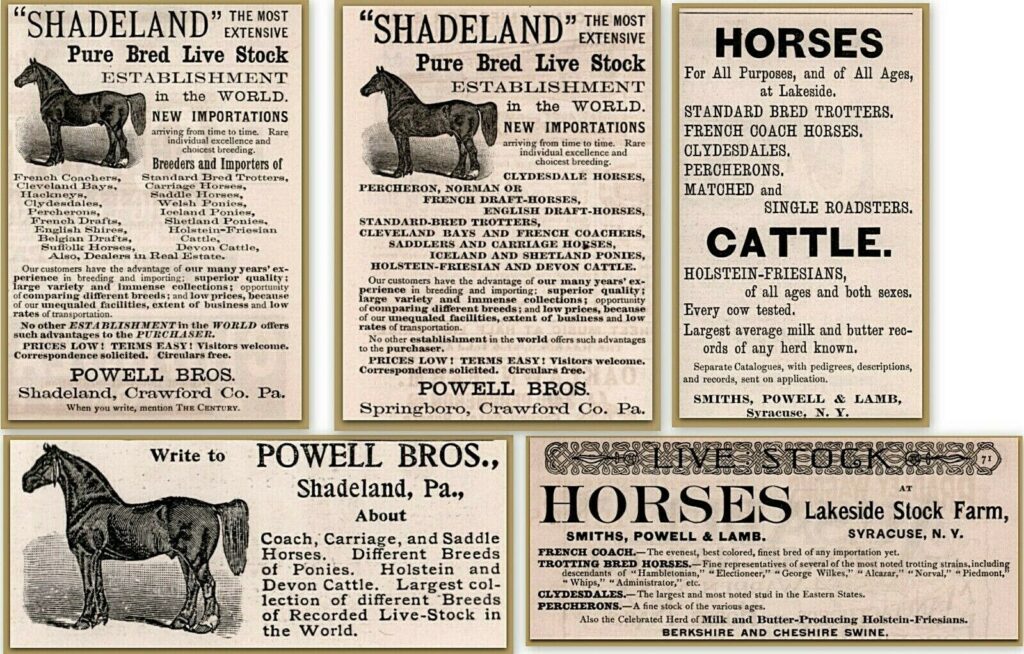
In the early 1800s, Crawford County was also a leader in harness racing and horse breeding. When competition from neighboring states increased in the 1850s, local farmers responded not with retreat—but with innovation.
They formed some of the earliest Agricultural Societies in the region, focusing on selective breeding to improve workhorses and racing stock. These efforts helped raise standards for American horse breeding and reinforced the county’s reputation as a serious agricultural center.
The work happening in local barns and fields influenced markets far beyond northwestern Pennsylvania.
The Crawford County Fair: More Than a Festival
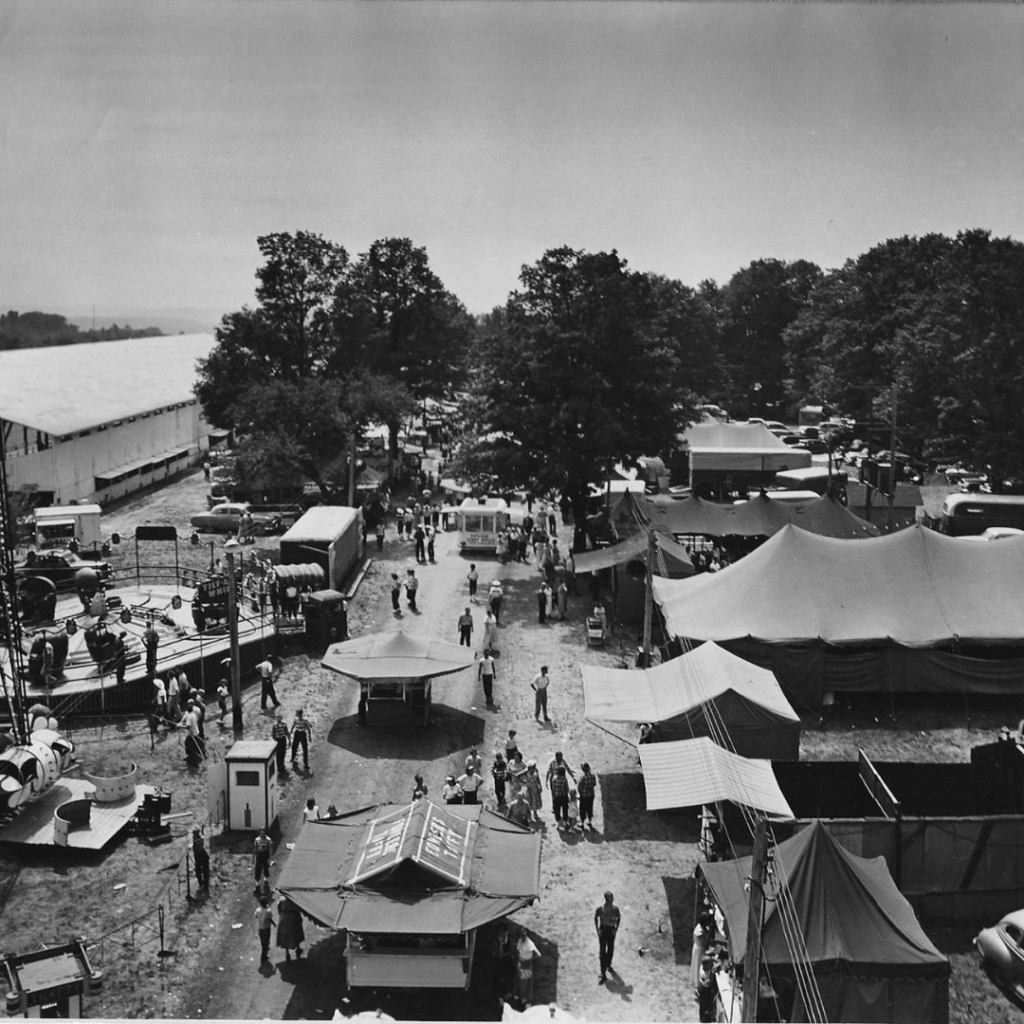
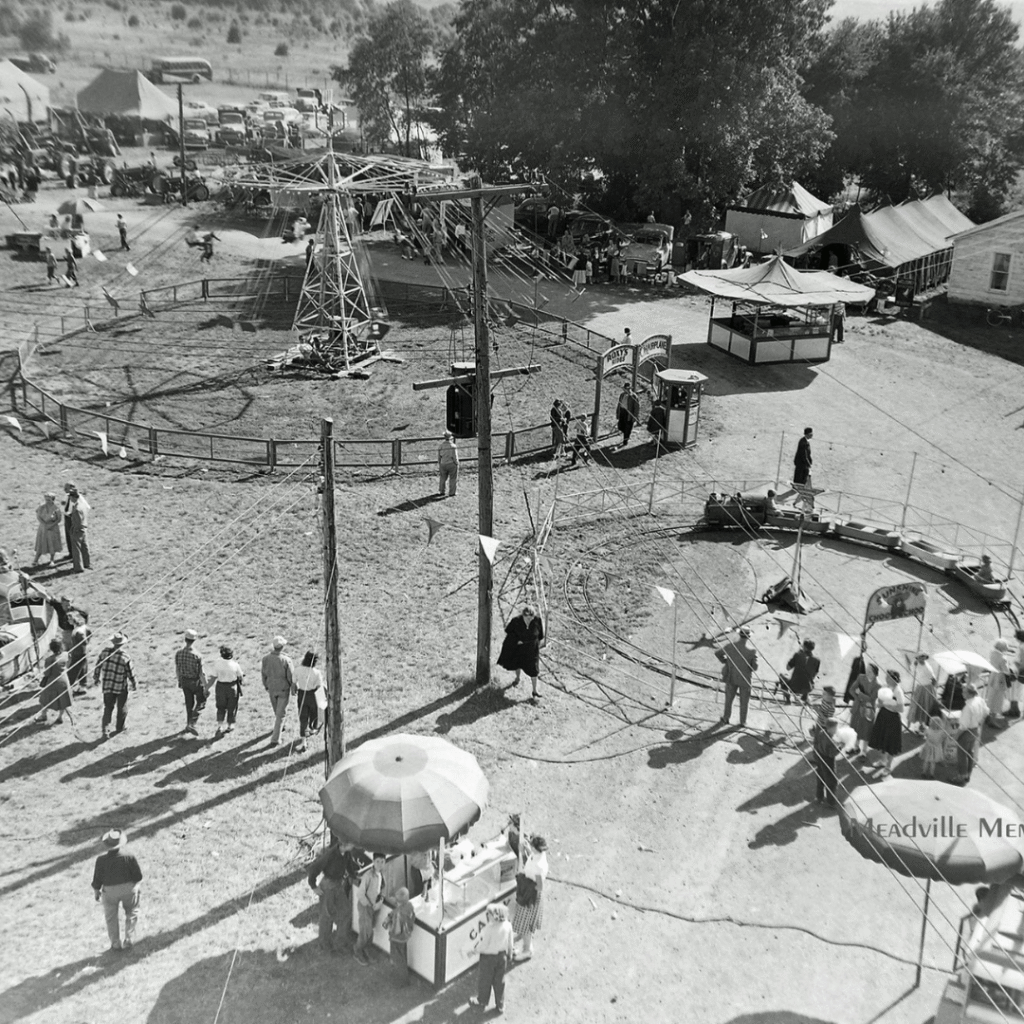
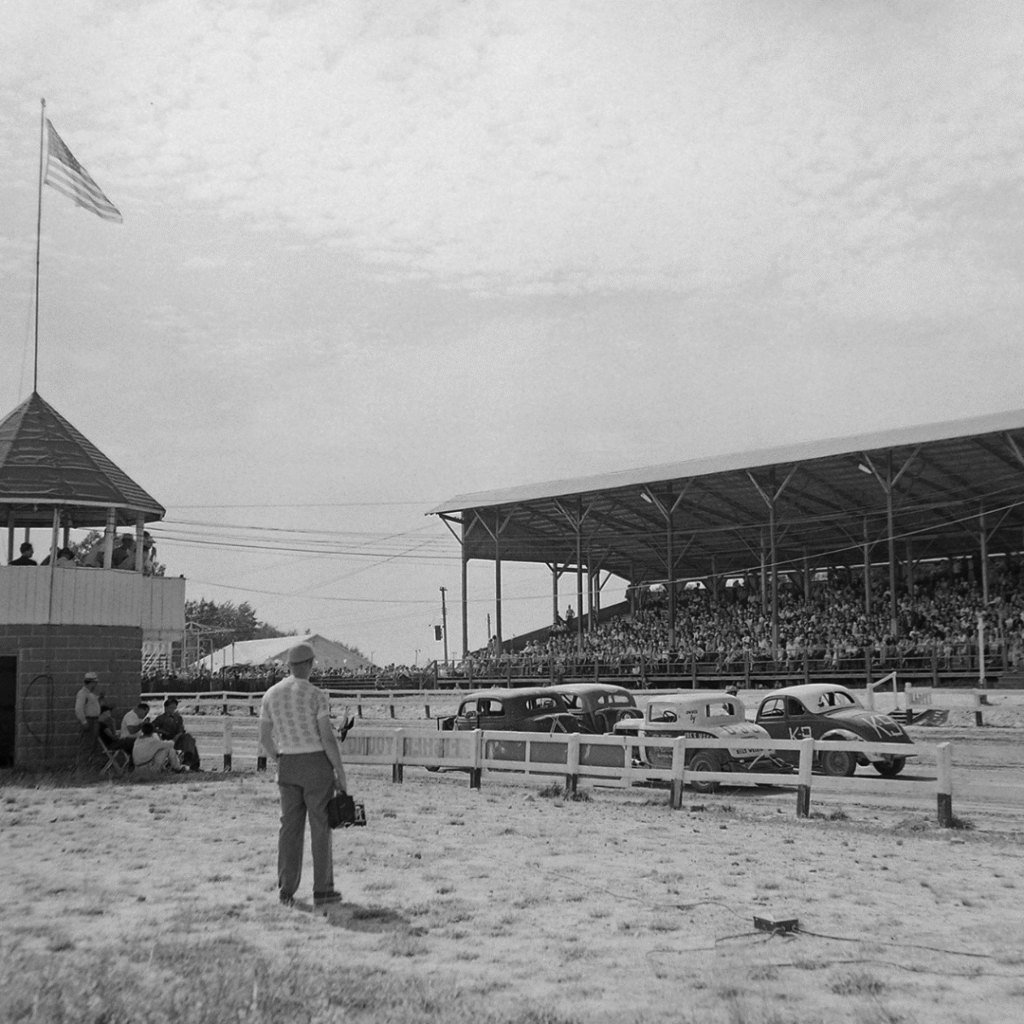
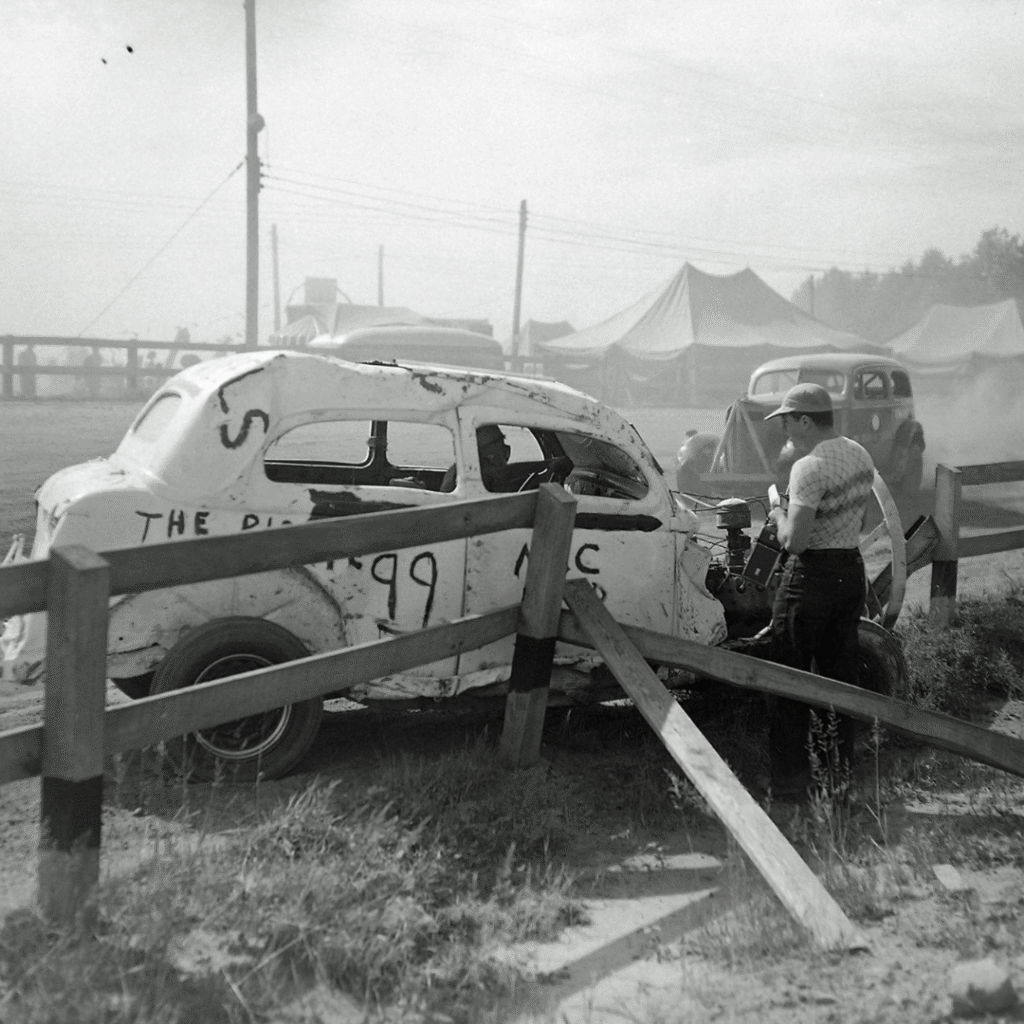
Founded in 1852, the Crawford County Fair remains one of the largest agricultural venues east of the Mississippi River.
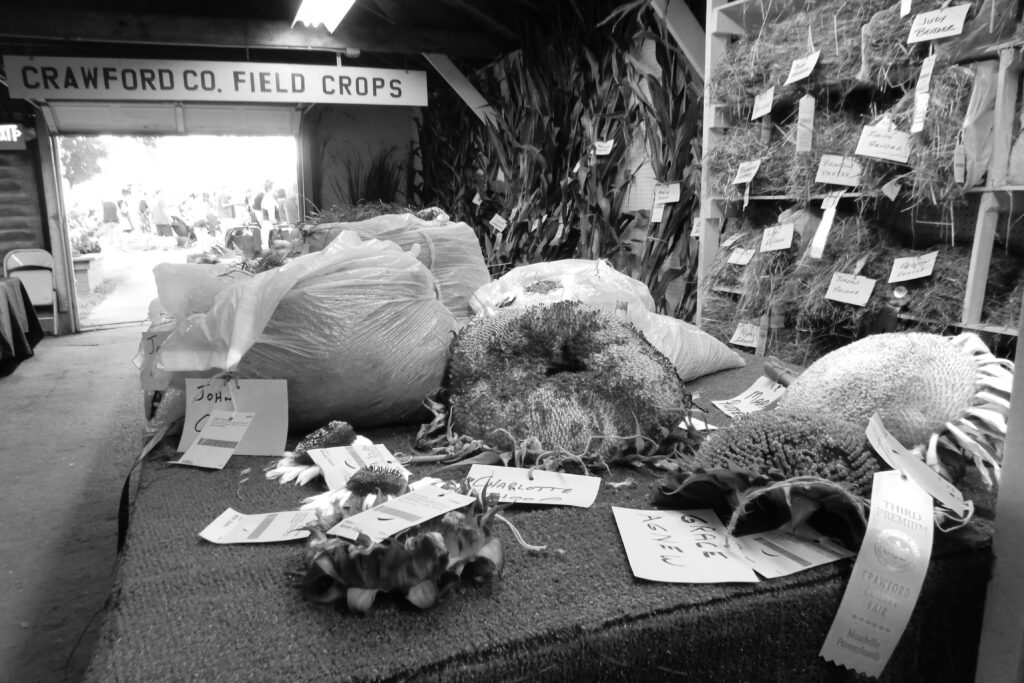
Originally, it was not simply a celebration. It was a scientific exposition—designed to evaluate new plows, livestock breeds, grain varieties, and farming techniques. It served as a public forum where innovation was judged, compared, and adopted.
Today, the fair still reflects that blend of tradition and progress. Livestock competitions, agricultural exhibits, and family entertainment continue a legacy more than 170 years in the making.
A Culture of Stewardship
Agriculture in Crawford County was never just about production. It required careful management of soil, waterways, and livestock health.
The county became a national leader in eradicating Bovine Tuberculosis and Bang’s disease in cattle—setting early standards that influenced broader U.S. dairy safety regulations. These efforts improved milk safety nationwide and reinforced the region’s commitment to responsible farming.
This agricultural discipline laid the groundwork for a community that values both productivity and preservation.
From Farm to Market—Then and Now
The agricultural roots of Crawford County are still visible today.
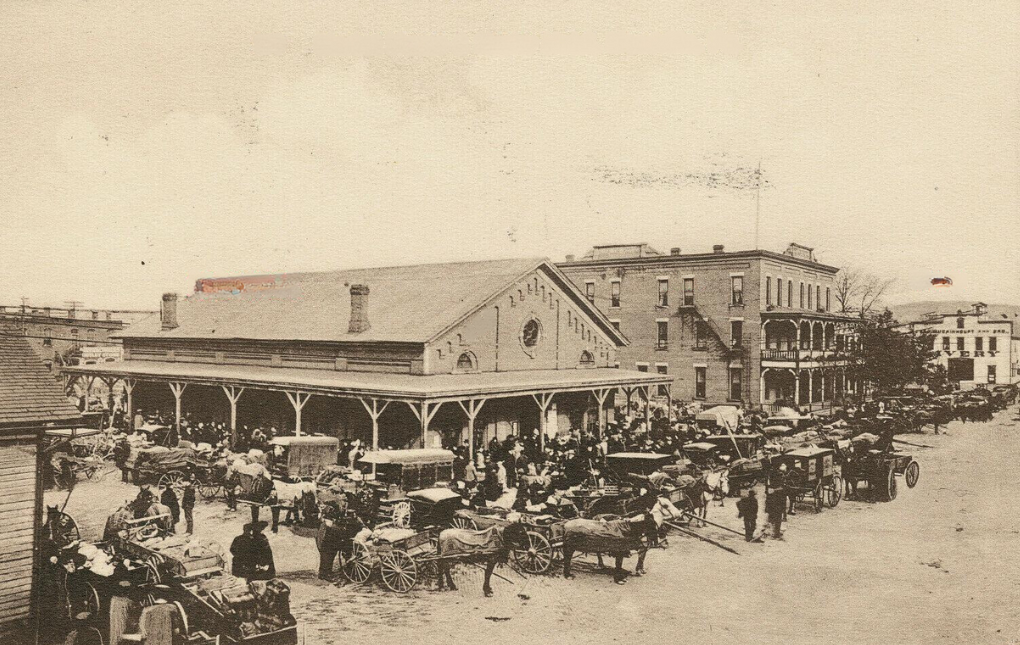
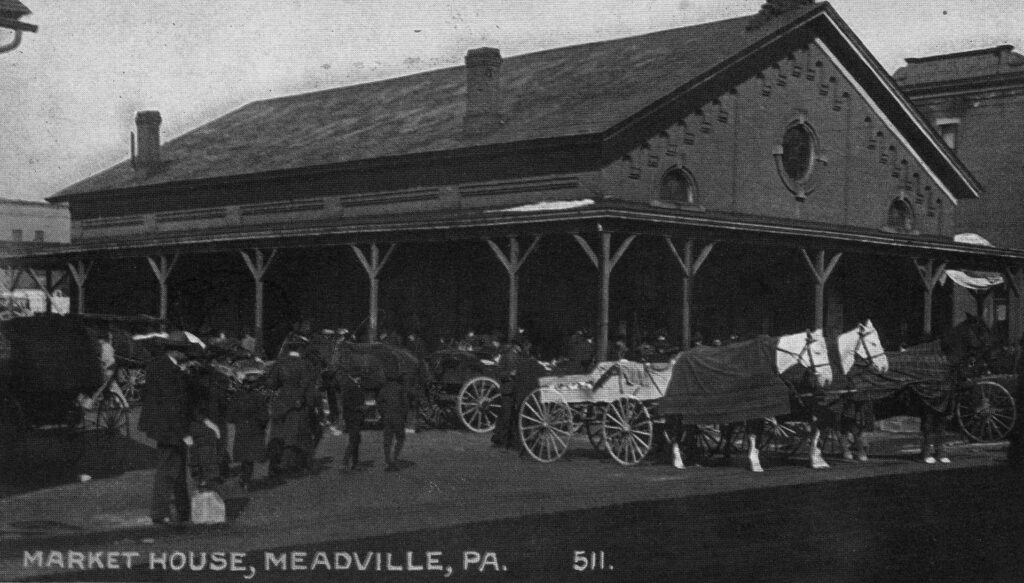
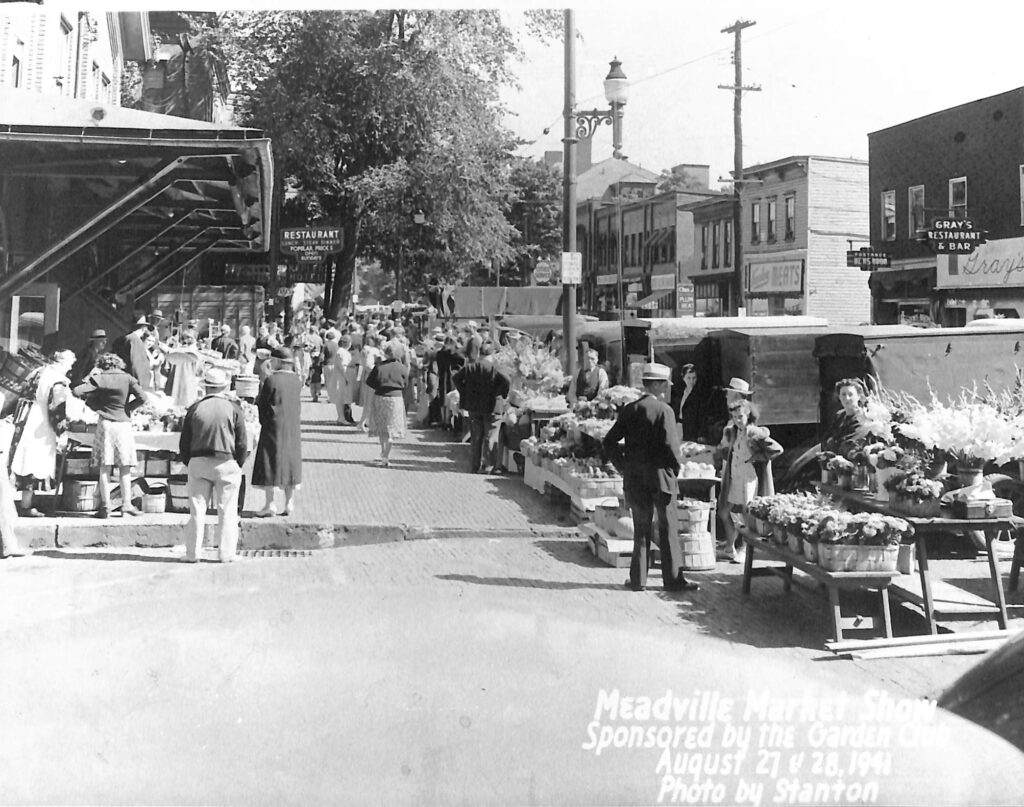
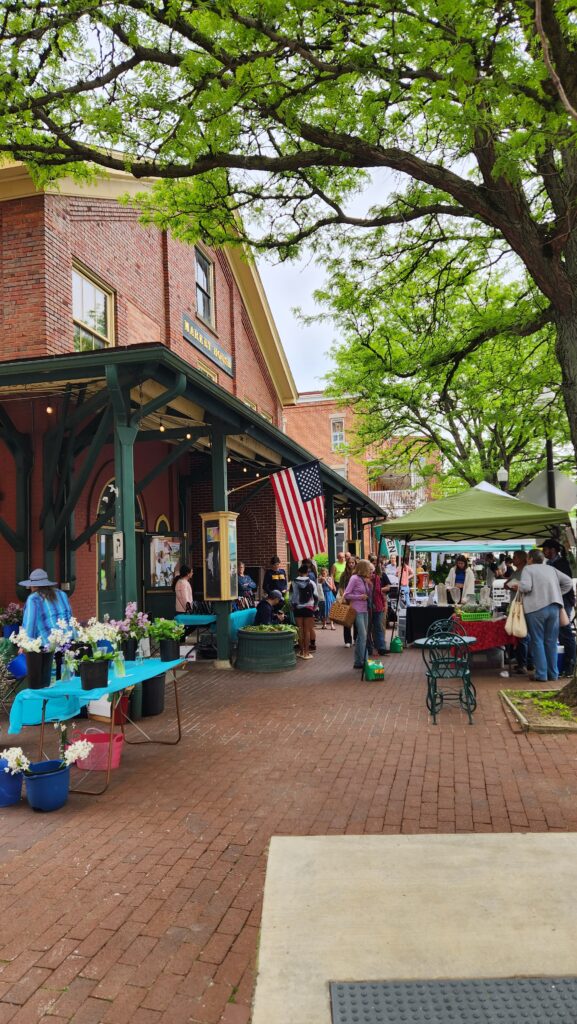
The Meadville Market House, built in 1870, remains the oldest continuously operating market house in Pennsylvania. For more than 150 years, it has served as the literal heart of the county’s farm-to-table economy—connecting growers and makers directly with their community.
That continuity—from 19th-century dairy dominance to modern local food culture—demonstrates something essential about Crawford County’s identity.
This is a place built on resilience, hard work, and adaptation.
As the nation approaches its 250th anniversary, the agricultural story reminds us that progress begins in the fields as often as in the factories.
Experience the Agricultural Legacy Today
Visitors can:
- Attend the Crawford County Fair and check out the Museum on the Fair Grounds
- Explore the Meadville Market House
- Visit local farm markets and seasonal stands
- Discover scenic rural landscapes shaped by generations of farming
The land that sustained early settlers continues to sustain community life today.
Continue the Journey Through 250 Years
Explore more America 250 stories and plan your visit to Crawford County today.