




250 Years. 12 Stories. One County.
Long before the oil boom brought global attention to this region, Crawford County stood at the crossroads of another defining chapter in American history—the fight for freedom.
In the decades leading up to the Civil War, this rural corner of northwestern Pennsylvania became a critical link in the Underground Railroad. Here, farms, homes, and businesses quietly served as places of refuge for those escaping slavery in search of liberty.
This was not industrial history. It was moral history.
A Strategic Path to Freedom
Pennsylvania was a free state, and its northern counties—especially those connected by waterways and frontier roads—became vital corridors for freedom seekers traveling from the South toward Canada.
Crawford County’s location made it especially significant. With access to major travel routes and proximity to Lake Erie, it became part of the final stretch of the journey north.
Local residents risked reputation, livelihood, and personal safety to provide shelter, supplies, and guidance. The work was secretive, dangerous, and deeply principled.
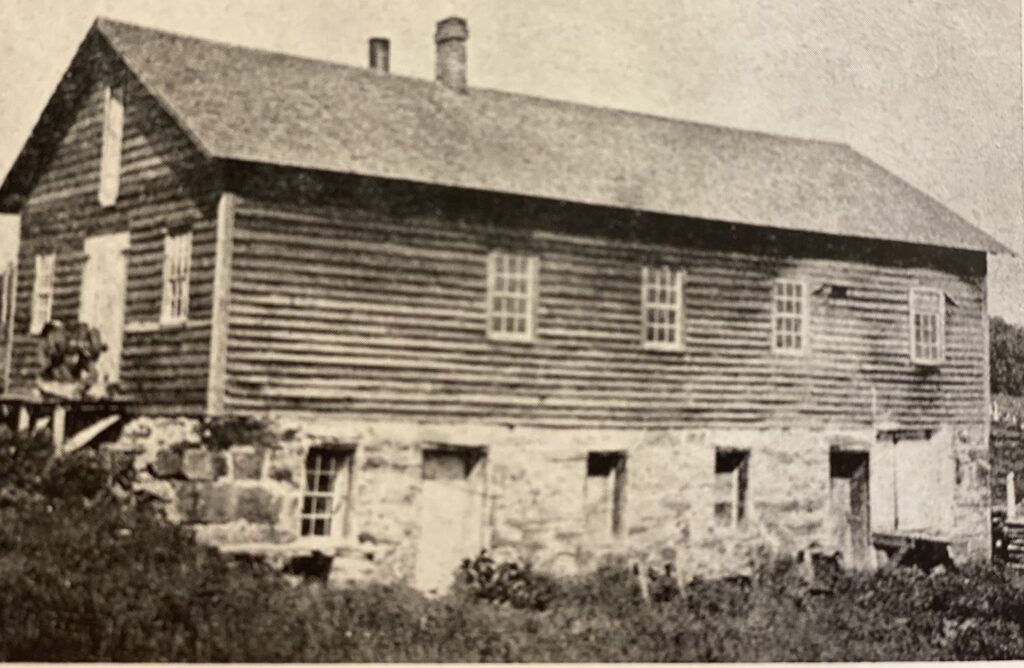
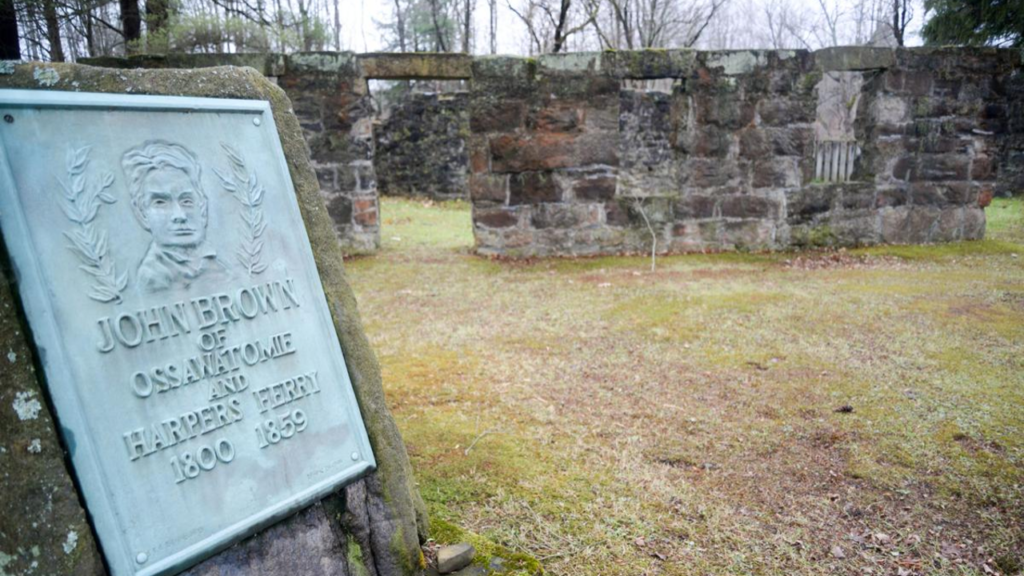
John Brown’s Years in Crawford County
Between 1825 and 1835, abolitionist John Brown lived in Richmond Township, operating a tannery.
Years before his raid on Harpers Ferry made national headlines, Brown’s time in Crawford County helped shape his convictions. The tannery property is widely believed to have served as a station on the Underground Railroad.
While exact numbers are difficult to document, Brown is credited with assisting thousands of enslaved people during his lifetime. His years in Crawford County were formative—both for him and for the growing abolitionist network in the region.
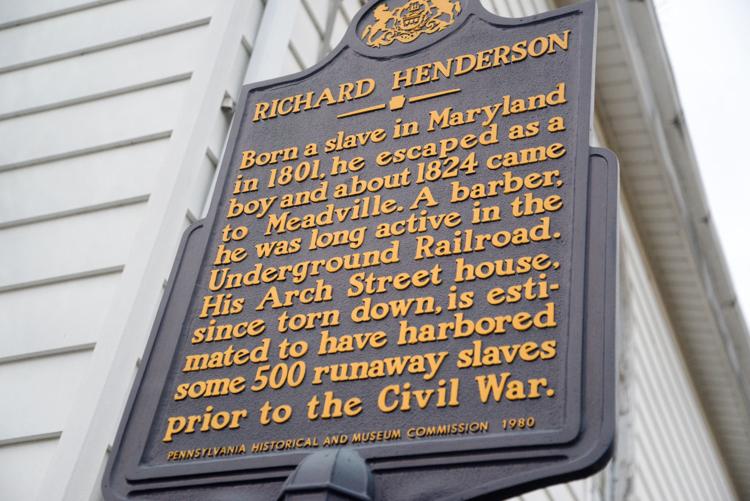
Richard Henderson & Local Leadership
One of the most powerful stories tied to Crawford County’s Underground Railroad history is that of Richard Henderson, a formerly enslaved man who settled in the region and became a conductor on the Underground Railroad.
Henderson is credited with helping more than 500 people escape to freedom. His leadership reflects a critical truth about the Underground Railroad: it was not solely driven by well-known figures, but by courageous local residents—many of them formerly enslaved themselves—who risked everything to help others.
Crawford County was not a passive observer in the fight against slavery. It was an active participant.
A Moral Legacy
The Underground Railroad was not a formal railroad. It was a network of trust, courage, and conviction. Its success depended on ordinary people making extraordinary choices.
In Crawford County, that legacy of conviction runs deep.
As the nation reflects on 250 years of history, the story of freedom in this region reminds us that America’s progress has often depended on local communities willing to stand for something larger than themselves.
This chapter of Crawford County’s history is not measured in barrels of oil or industrial output. It is measured in lives changed—and futures reclaimed.
Experience This History Today
Visitors can explore this powerful legacy by:
• Learning about John Brown’s years in Richmond Township
• Discovering local historical markers and archives
• Visiting museums and educational institutions that preserve the region’s abolitionist history
• Exploring the communities that once formed part of this freedom corridor
The landscapes may appear peaceful today, but they once carried stories of urgency, secrecy, and hope.